Previous
Pharmacy
This guide explains the full career pathway to becoming a pharmacist in NHS Scotland. Pharmacy is a vital and rewarding career. As a pharmacist, you will use your expert knowledge of medicines to improve and save lives.
At NHS Scotland, your salary doesn’t stand still. We reward you for the skills you bring and increase your pay as you gain experience. Find out more about pay and benefits.
Newly qualified pharmacists in the NHS start at around £41,608 before tax.
Both lead and highly specialised pharmacists in the NHS can earn up to £79,164 annually. Chief and consultant pharmacists can earn up to £128,051 before tax.
Pharmacists are highly skilled healthcare professionals and experts in medicines. They have a vital role in delivering safe, effective, and person-centred care across Scotland’s health system, supporting patients and the wider multidisciplinary team. Pharmacists work in a range of settings, including:
Pharmacists in NHS Scotland contribute to improving health outcomes, health inequalities, and maximising the use of medicines and other pharmacological resources.
Their responsibilities cover the entire patient journey with medicines—from prescribing and supply to monitoring and optimisation:

The first step to becoming a pharmacist is getting a place at university. To apply for a Master of Pharmacy (MPharm) degree, you should choose these school subjects:
Other useful subjects for a career as a pharmacist include:
Speak to your guidance teacher or careers adviser about subjects offered at your school.
To become a pharmacist, you must complete a 4-year undergraduate Master of Pharmacy (MPharm) degree. This is a GPhC-accredited qualification.
In Scotland, 2 universities offer this qualification:
Find out more about the university application process on the UCAS website.
Your background and circumstances should never be a barrier to a career in pharmacy. Colleges and universities in Scotland offer specific programmes to support applicants from diverse backgrounds who show potential.
These access routes are designed to help you meet the entry requirements. They include:
You may also be able to apply:
Contact the university admissions teams directly to find out which widening access programmes they recognise.
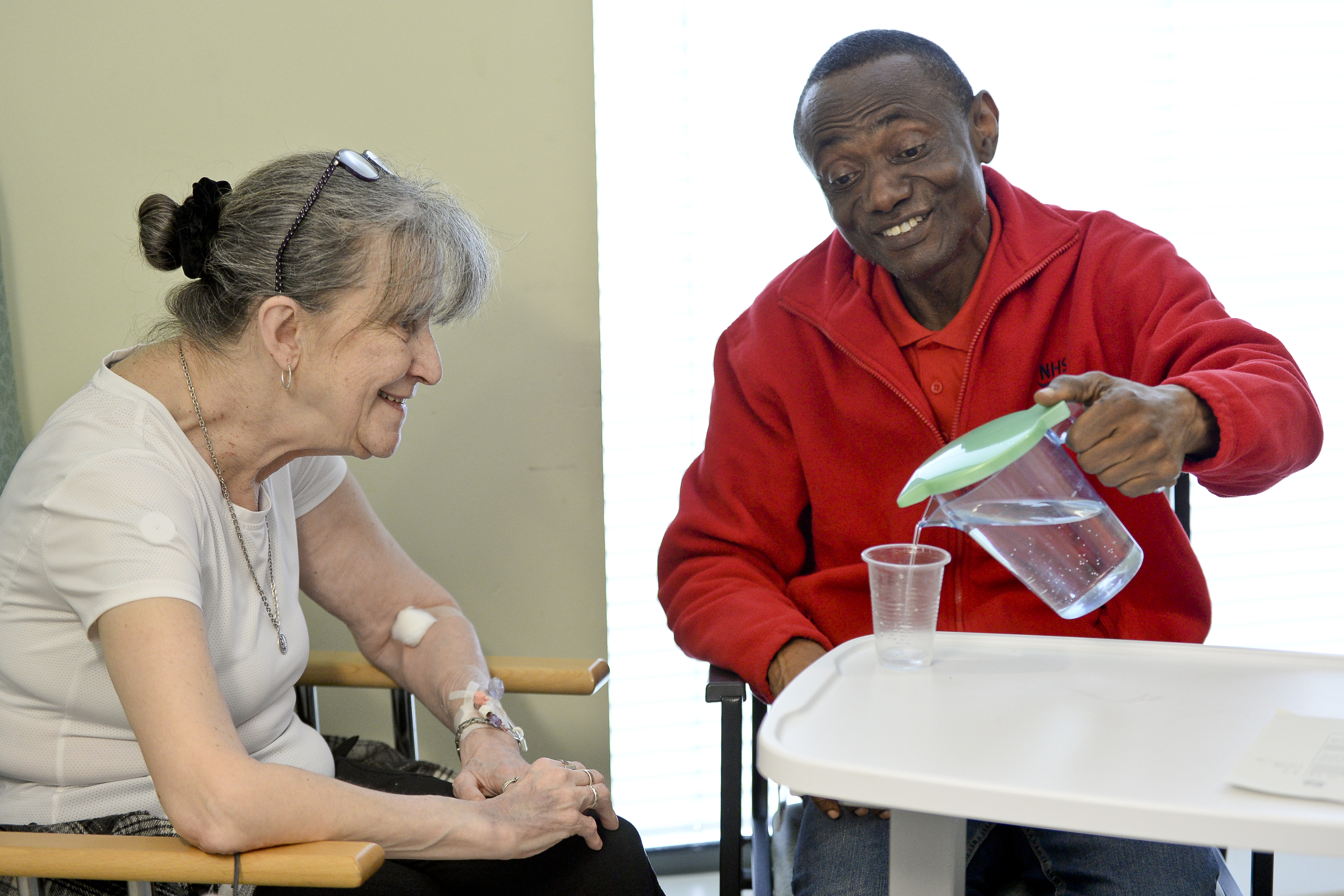
Universities want to see that you have a realistic understanding of a pharmacy career. You can get experience through:
In Scotland, a standard entry MPharm undergraduate degree takes 4 years. This is followed by a 1-year paid Foundation Training Year (FTY)
From 2026 onwards, pharmacy graduates in Scotland will complete their degree as independent prescribers, meaning you will leave university with the skills and legal authority to prescribe medicines. This is a major development in the profession, allowing pharmacists to play an even greater role in patient care from day one.
The total time from starting university to qualifying as a pharmacist prescriber is 5 years.
Studying pharmacy at university combines science, clinical practice, and patient care. You’ll learn through lectures, tutorials, practical lab sessions, and simulation-based activities. Your learning will include:
You’ll also complete clinical placements to experience pharmacy in real-world settings, such as:
These placements help you apply your knowledge, develop confidence, and prepare for your career as a pharmacist in NHS Scotland.

After completing your pharmacy degree, your first paid role is the one-year Foundation Training Year (FTY). This is the final stage of your initial education and training before becoming a fully registered pharmacist. To start this year, you must register with the General Pharmaceutical Council (GPhC) as a foundation trainee.
Find out more about applying for foundation training on the NES website.
In Scotland, you apply for your FTY placement through a national recruitment scheme managed by NHS Education for Scotland (NES).
As a foundation trainee pharmacist, you will work under the supervision of experienced pharmacists in a clinical setting. This year builds on the knowledge and skills gained at university and focuses on:
You will complete structured training and assessments throughout the year to demonstrate readiness for independent practice and as a prescriber.
Find out more about the foundation programme in Scotland.
When you successfully complete your foundation training year, your designated supervisor will confirm you are eligible to sit the GPhC registration assessment.
This is the final exam you must pass to become a qualified pharmacist. It tests your clinical knowledge and decision-making skills.
Find out more about the registration assessment on the GPhC website.
The education and training for pharmacists have changed. From 2026, all newly registered pharmacists in the UK will also be qualified as independent prescribers (IP).
This means that from the point of registration, you will be able to prescribe medicines for patients in your area of practice, similar to a doctor or specialist nurse. Your MPharm degree and foundation training year are designed to give you the skills and knowledge to meet this new standard.
When you complete your MPharm degree, your Foundation Training Year, and pass the GPhC registration assessment, you can apply to join the GPhC register.
This allows you to practise as a registered pharmacist in the UK. You can then apply for pharmacist posts in NHS Scotland.
As a pharmacist, you'll use your expert knowledge of medicines to help patients and healthcare teams get the best results from treatments. Throughout your career, your specialist expertise will positively impact the lives of thousands of people. You’ll make sure medicine use is safe, effective, and tailored to the individual.
Your main tasks could include:
To succeed as a pharmacist, you will need to develop a unique set of timeless, high-level skills, known as meta-skills. These are the core abilities that will help you adapt and excel throughout your career.
This is about how you manage yourself and your work in what can sometimes be a high-pressure, patient-facing environment.
This is about how you connect with and understand patients and colleagues.
This is about how you approach problems and adapt to new developments.
You could work with:
You could work in these settings:
Your working hours will depend on your role.
In community pharmacy, this may include evenings and weekends.
In a hospital, you will likely work on a rota that includes evenings, nights, and weekends. You may also be part of an on-call rota to provide emergency pharmacy advice.
As a registered pharmacist, you’re expected to engage in continuous professional development (CPD) activities to keep your knowledge and skills up to date. This is a requirement for revalidation.
Seminars, webinars, and clinical skills courses to support your professional development are offered by:
You can find out more about CPD for pharmacists on the NES website.
All pharmacists in the UK are legally required to renew their registration with the General Pharmaceutical Council (GPhC) every year.
As part of this, you must complete revalidation, which demonstrates to the GPhC that you remain fit to practise.
Learn more about the revalidation process for pharmacists on the GPhC website.
With experience, you can progress to a senior or specialist pharmacist role. You could specialise in an area like:
Many pharmacists also take on greater responsibilities in teaching, research, or management. This could include becoming a clinical lead, pharmacy manager, or consultant pharmacist.
You'll find all NHS Scotland vacancies on our recruitment website.
To work as a pharmacist in the UK, you must hold a licence to practise and be on the GPhC register.
You can also join the professional leadership body for pharmacists. Find out more about the Royal Pharmaceutical Society (RPS).
As a registered pharmacist, you’re expected to engage in continuous professional development (CPD) activities to keep your knowledge and skills up to date. This is a requirement for revalidation.
Seminars, webinars, and clinical skills courses to support your professional development are offered by:
You can find out more about CPD for pharmacists on the NES website.
All pharmacists in the UK are legally required to renew their registration with the General Pharmaceutical Council (GPhC) every year.
As part of this, you must complete revalidation, which demonstrates to the GPhC that you remain fit to practise.
Learn more about the revalidation process for pharmacists on the GPhC website.
With experience, you can progress to a senior or specialist pharmacist role. You could specialise in an area like:
Many pharmacists also take on greater responsibilities in teaching, research, or management. This could include becoming a clinical lead, pharmacy manager, or consultant pharmacist.
You'll find all NHS Scotland vacancies on our recruitment website.


We'll guide you through the recruitment process, from applying online to interview preparation.
Help with recruitment
Our blog includes how-to guides, case studies, and career resources.
Discover more