
Joanne Gibson
09 October 2026
•4 min read
A milestone year for allied health professions
This year, NHS Scotland is celebrating 25 years since the allied health professions (AHPs) came together as a collective workforce. Whether you're at school, studying, changing career, relocating or returning to practice, there's a place for you in a workforce that's still growing.
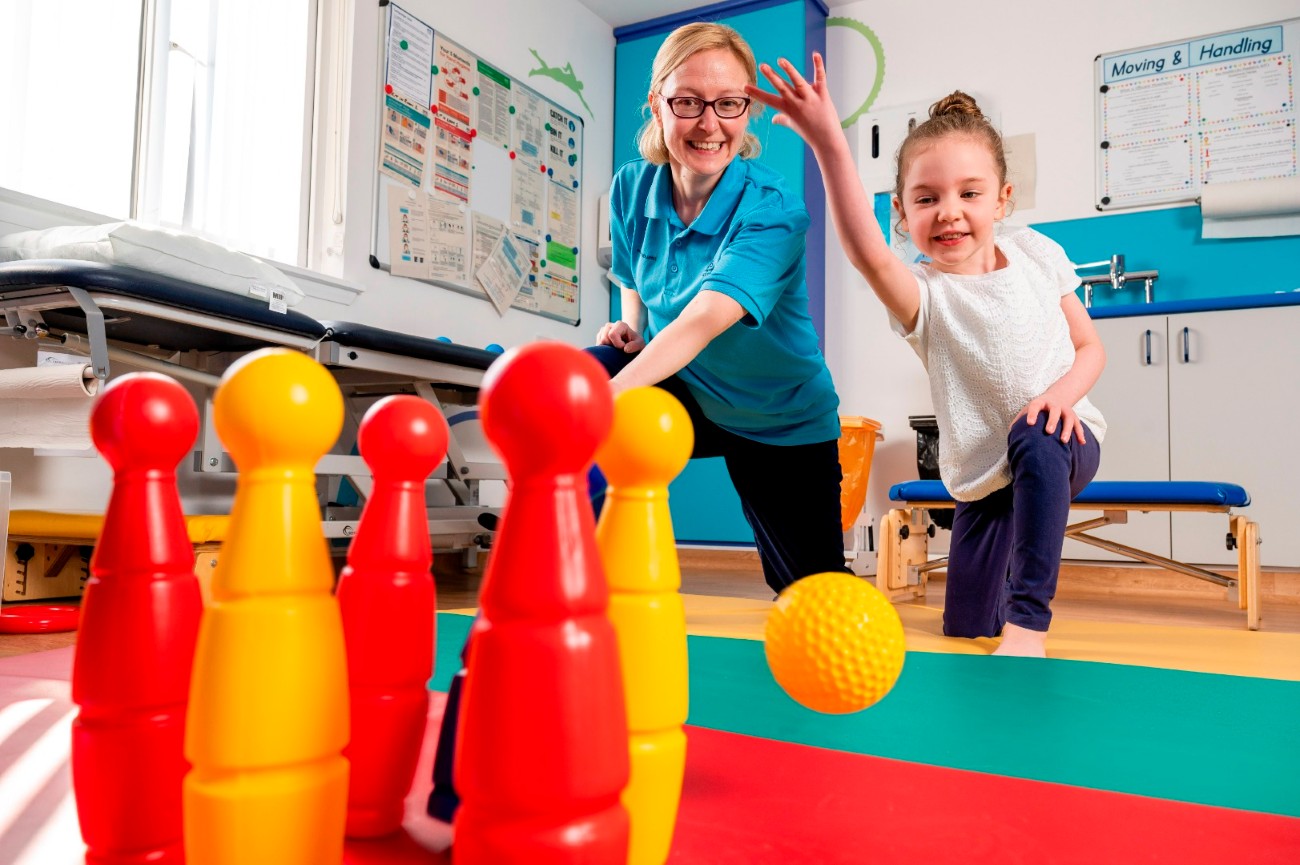
AHPs at a glance
- There are 14 allied health professions, including physiotherapists, dietitians, paramedics, podiatrists and speech and language therapists.
- AHPs are the third largest clinical workforce in NHS Scotland, with more than 16,800 staff.
- You don't need a degree to start. Healthcare support worker roles let you work in an AHP team while you build experience.
- 2026 marks 25 years of AHPs working together as one workforce in Scotland.
What are the allied health professions?
Allied health professionals assess, diagnose, treat and support people of all ages to live healthier, more independent lives. All allied health professions are regulated by the Health and Care Professions Council (HCPC).
You might already know about physiotherapists, dietitians and paramedics. But AHPs also include these roles:
- art therapists
- dramatherapists
- music therapists
- occupational therapists
- orthoptists
- orthotists
- prosthetists
- podiatrists
- diagnostic radiographers
- therapeutic radiographers
- speech and language therapists
Why is 2026 a good time to start an AHP career in Scotland?
This year marks 25 years since Scotland's allied health professions came together as one workforce. That matters whether you're a student, starting your first job, relocating to Scotland or returning to practice.
In the last year alone, the AHP workforce grew by 2.5%. It means more AHP jobs across Scotland, in a workforce that's established, welcoming and supportive.
You'll be part of a collaborative AHP team
Since 2001, we've built something unique. Professions that once worked separately now work as a connected community.
You'll have a distinct identity as a diagnostic radiographer, art therapist or podiatrist. But you'll also have the support of colleagues working in different AHP roles from across Scotland behind you.
We work in integrated teams, so you'll collaborate closely with colleagues across health and social care. As a newly qualified practitioner, this gives you wider support networks and the chance to learn from people outside your immediate team. You'll be part of a workforce that's valued and visible.
What's it like to work in allied health in Scotland?
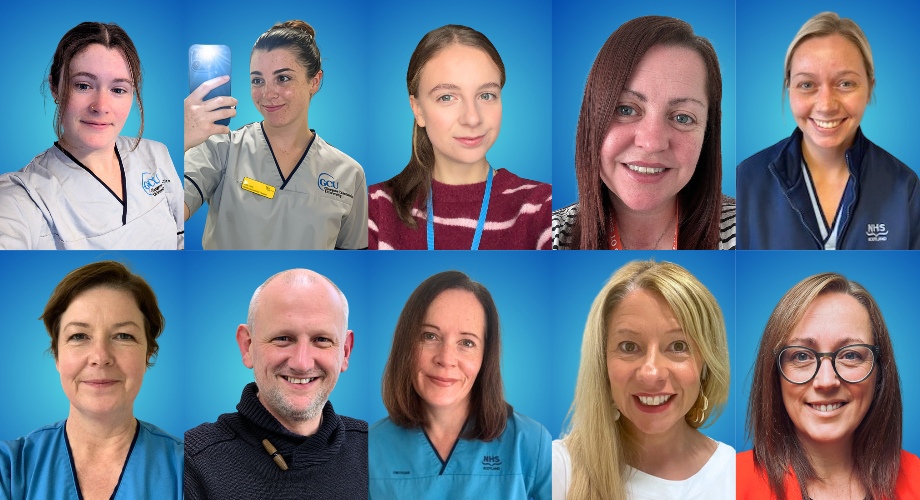
We asked 10 people at different stages of their AHP careers to share their experiences, from students and support workers to senior leaders.
Starting out as a student
Not sure which profession is for you? Amy and Aoife are both studying occupational therapy at Glasgow Caledonian University. They came to it for similar reasons, and they’re each seeing the difference it makes in different ways.
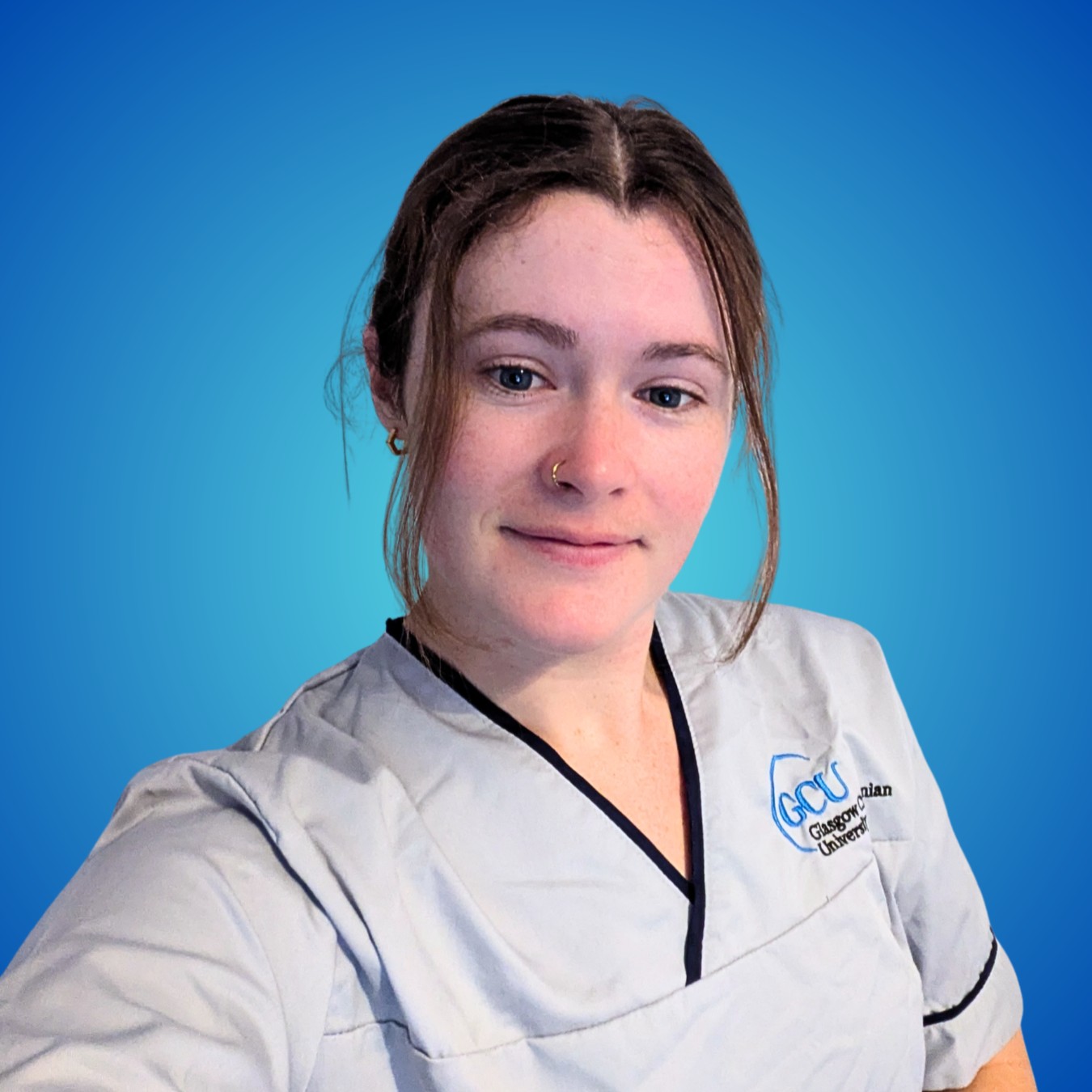
“I chose occupational therapy because I want to help people get back to the activities that mean the most to them, whether that is work or their hobbies.
"I like how occupational therapy fits into various aspects of people's lives and how holistic it is. It has been very fulfilling to make a difference in people's health, and I am excited work in different departments while on placement.”
For Aoife, the reward comes from seeing where people get to.
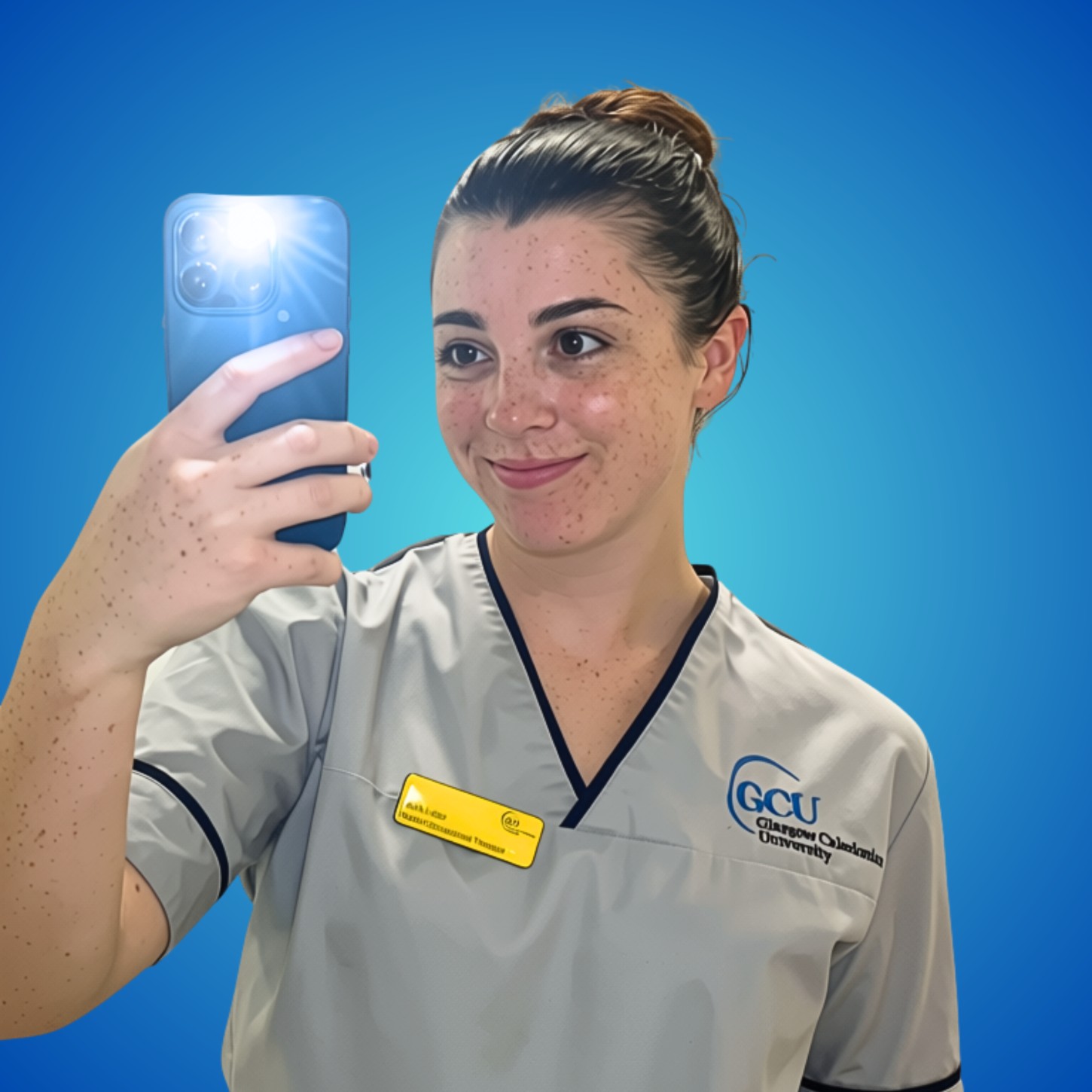
“I chose occupational therapy because I love the idea of supporting people to live in a way that feels right for them. Being able to play a part in that journey means a lot to me.
"One of my favourite parts of being an OT student so far has been seeing those full-circle moments. Being there through difficult conversations and challenging moments, then later hearing, ‘I’ve been able to do what I want to do’, is incredibly rewarding.”

Your first job as a newly qualified practitioner
No one expects you to have all the answers in your first post. Jess, a newly qualified speech and language therapist, explains what helped her settle in.
"Starting my first role as an AHP has been a really exciting opportunity to put my learning into practice while developing my confidence and skills as a newly qualified SLT.
"I’m learning that you don’t need to know everything straight away, and that asking questions, learning from the people around you and recognising when you need support are all part of the process."
Can you work in allied health without a degree?
Yes. Healthcare support workers are in allied health teams right across Scotland. They work alongside registered professionals to deliver care, and some lead their own programmes and groups. It's a great way to start in health and care, build experience and find out which profession suits you.
Find out more about healthcare support worker roles.
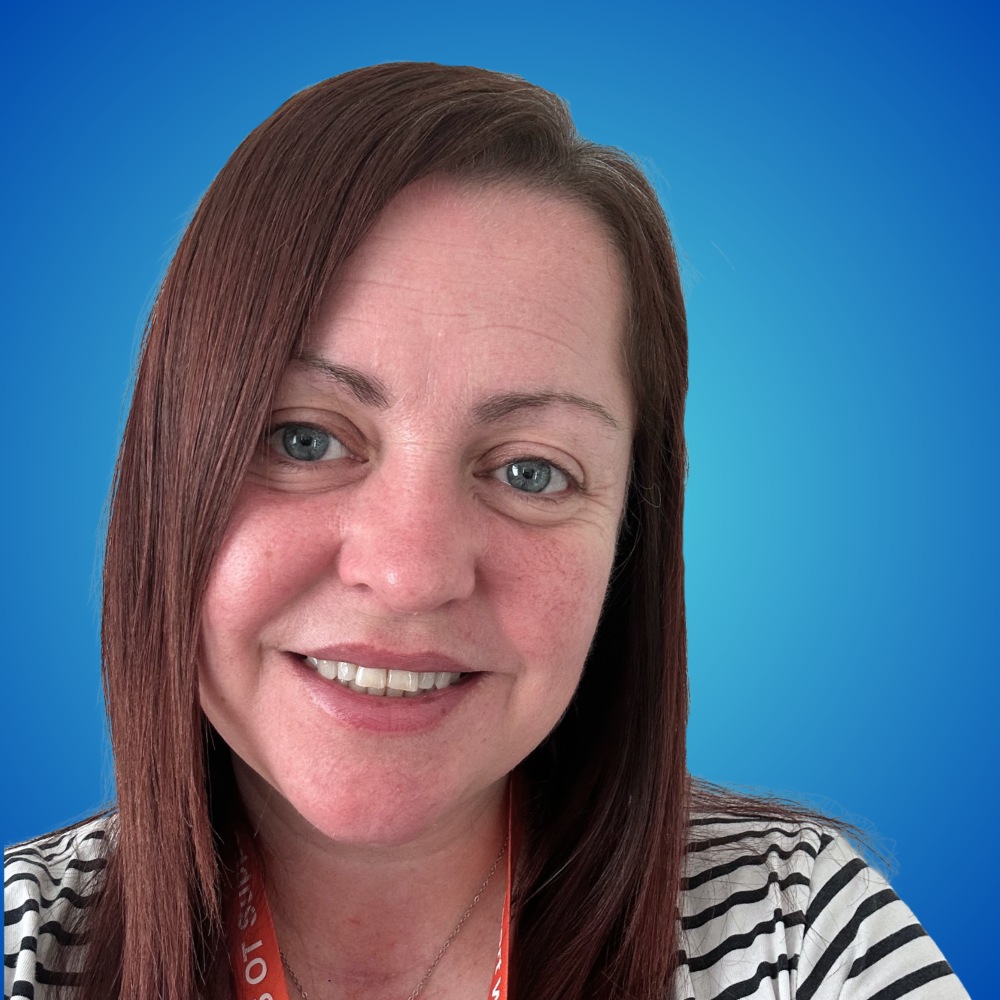
Helping young people become independent
Sarah is an occupational therapy support worker at NHS Tayside. She supports young people whose mental health affects their ability to do everyday activities.
“I work with young people who have a variety of mental health challenges which impact their ability to carry out daily occupations and to do things that matter to them.”
“My job is very rewarding. After a period of intervention, you see the young person flourish and begin to overcome their barriers. Lots of young people I've worked with have gone on to study at college or find their ideal job. One is now running their own business!”
“I love my job, working with young people and watching them become independent.”
Supporting people to make healthy food choices
Rebecca is a dietetic support worker from Dundee. She leads a weight management programme, a group programme that helps people change their eating habits and behaviours.
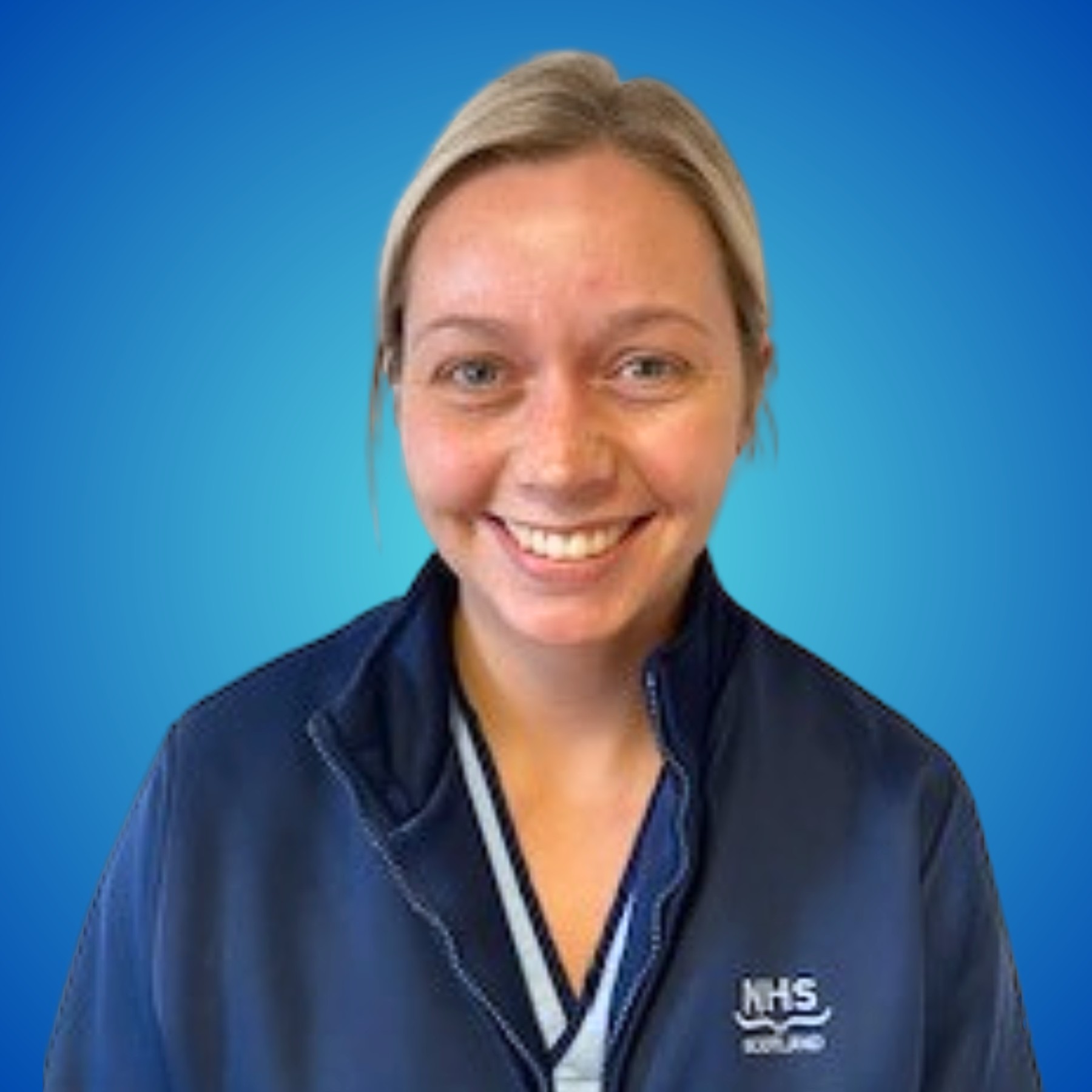
“I support a group of patients to make healthy lifestyle changes to their eating habits and behaviours to help reduce their weight.
“It's rewarding taking a lead on the programme and seeing the changes patients make and the results they achieve by the end. It's also nice to get positive feedback from patients once they've completed it.
“It makes me feel proud to be a healthcare support worker, knowing I've helped patients make significant changes to their health, wellbeing and weight.”
Where could an AHP career take you?
Your development doesn't stop when you qualify or start your first job. Across NHS Scotland, practice educators help AHPs and support workers keep learning at every stage of their careers.
Learning support at every stage of your career
Starting out? AHP practice education leads like Mandy from NHS Highland are there to support your learning at every stage of your career.
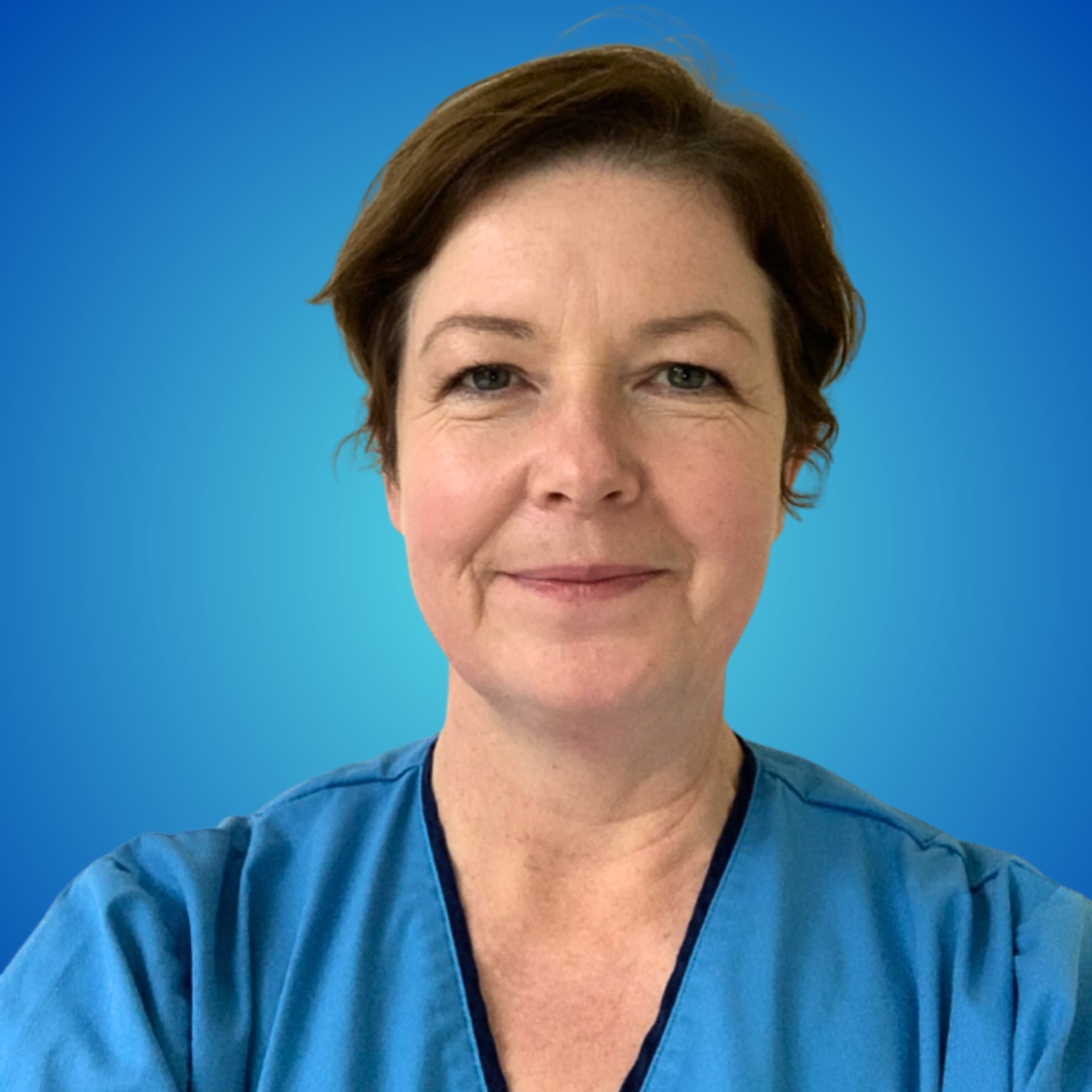
"I'm passionate about shaping the future workforce through effective learning opportunities and supportive development experiences.
"There is nothing more rewarding than seeing newly qualified practitioners and staff build their confidence, develop their skills, and flourish as practitioners.”

Supporting others as an associate practice educator
Mike has worked in the children and young people's speech and language therapy (SLT) team in NHS Tayside since 2008. He's also an associate practice educator with the AHP Education Team, supporting healthcare support workers to learn and progress.
“My focus is augmentative and alternative communication (AAC) and the Makaton Communication Programme, 2 areas I've become really passionate about over the years. I'm a Makaton Ambassador Tutor for the Makaton Charity and regularly deliver workshops across Tayside.
“Supporting children with complex communication needs can be challenging, but it's also incredibly fulfilling. Seeing the difference communication tools like AAC or Makaton can make in a child's life keeps me motivated and proud of the work I do.
“As someone who's been in a support worker role for many years, I know how important it is to feel recognised and encouraged to grow. I really enjoy helping others build confidence in their roles and explore opportunities for learning and progression.
“I also represent AHP healthcare support workers in national working groups. It's a privilege to help make sure our voice is heard in wider conversations about workforce development, recognition and the future of the profession.
“It's a role that's constantly evolving, and I feel lucky to be part of it.”
A career that grows with you
Are you thinking about the long term? Joanna, a clinical lead dietitian, National Digital Type 2 Diabetes Remission Programme, looks back over her 27 years in dietetics.
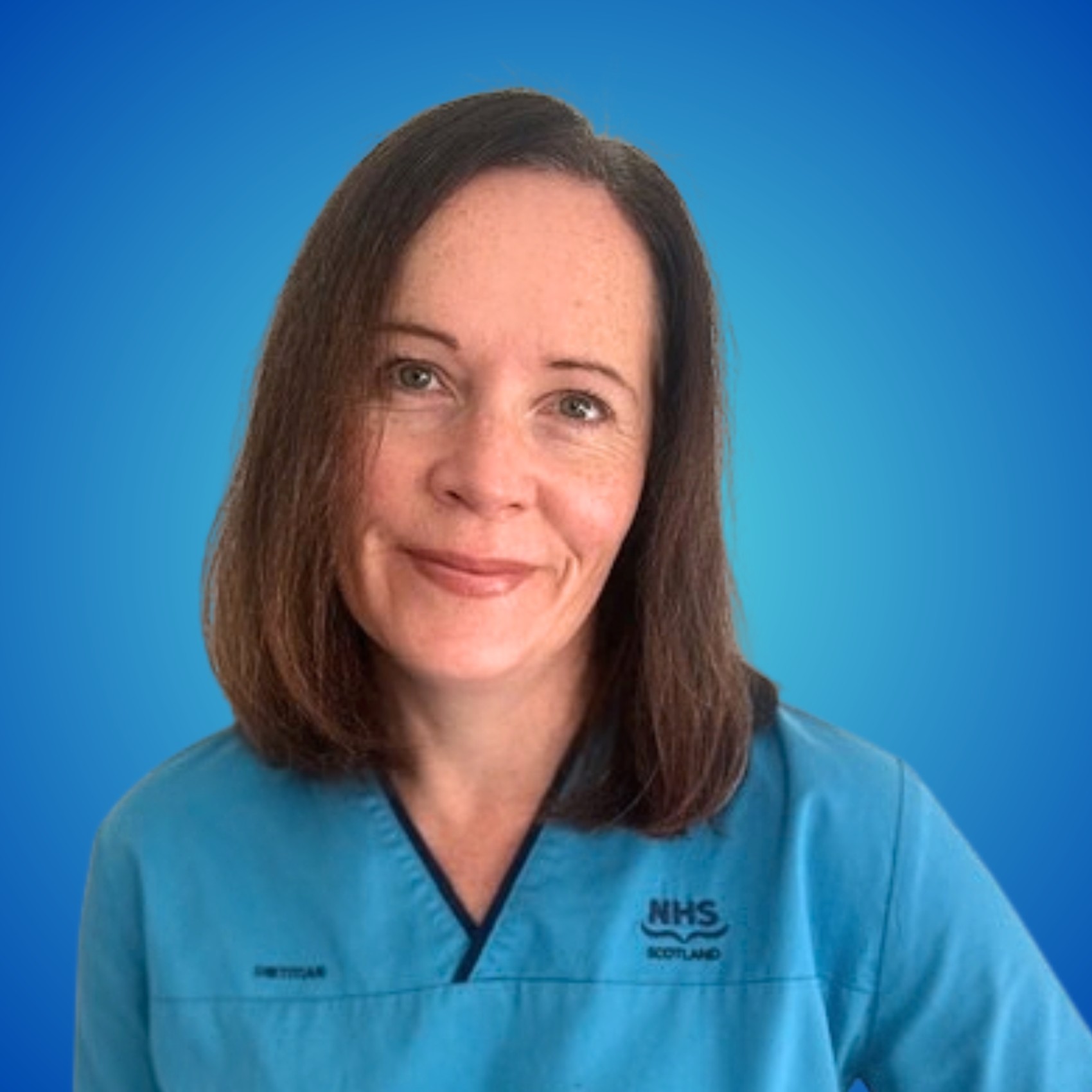
“For me, being part of the NHS and the AHP family has been a rewarding journey of continuous learning, collaboration, and making a difference to people's lives. Over the years, I have been inspired by the evolving role of dietitians in prevention and digital transformation.
“Skilled at translating scientific and medical research related to food and health into practical guidance, I enjoy teaching health professionals about diet and nutrition. and the opportunity to support individuals and communities to improve their health through nutrition.
“My advice to anyone considering a career in dietetics is to embrace curiosity, compassion, and lifelong learning. It’s a profession that offers a diverse, impactful, and highly rewarding career.”
Visit The Association of UK Dietitians website to find out more about becoming a dietitian.

There's no single route to leadership roles
Lorna joined NHS Scotland in 2005 as a physiotherapist and is now a Director of Allied Health Professions at NHS Dumfries and Galloway. Her career pathway took a few interesting turns.
“My route was a very squiggly one! I wanted to be a vet or a physio when I was at school, but school didn't think I would be capable of university. I left school in the middle of 6th year with 3 Highers.
“I qualified as a veterinary nurse but knew it wasn't a long-term career for me. So, I went back to college to study more Highers, working as a veterinary nurse and a zookeeper to earn money. I also got experience working as a carer in a nursing home, but I still didn't get into university.
“After a year studying zoology, I re-applied for physiotherapy. At last, I was successful. That was probably one of my proudest, happiest moments. I never looked back and loved every minute at Robert Gordon University.
“I never, ever in my wildest dreams expected to be in the role I'm in now. I still pinch myself most days. I love my job!”
What's next for AHPs in Scotland?
Nic Richardson, Chief Allied Health Professions Officer (CAHPO) for Scotland, looks ahead to the next chapter.
“Now is an exciting time for AHPs across Scotland. Our roles are critical to the future of health and care. We have opportunity to celebrate what we currently provide but also step into new opportunities and offers.

“This year, the silver jubilee of AHPs, is not just a review of what has been achieved, but an invitation to reflect on the future we want to create together.
“I am one month into my post and have already had opportunities to meet a number of AHPs, visit some services and hear about innovations, celebrations and challenges. I look forward to working alongside you in the coming years. If we haven’t met yet, reach out and say hello.
“As we step into the next 25 years together, I encourage you to shout loud and proud about your role as an AHP as our voice and our visibility matters. If you’re reading this and considering a career as an AHP I’d say, go for it! We’d love to have you join us.
“I want to take this opportunity to recognise and thank Carolyn McDonald who retired from the CAHPO role earlier this year. She wrote a blog post which I’d encourage you all to read."
Check out Carolyn's blog: 25 years of Collective Impact: A New Year, A Shared Future.
Your AHP career questions answered
These are some of the questions our AHP colleagues are asked most often.
What are allied health professions (AHPs)?
AHPs assess, diagnose, treat and support people of all ages. They include physiotherapists, dietitians, paramedics, occupational therapists, radiographers and speech and language therapists. All are regulated by the Health and Care Professions Council (HCPC).
How many AHPs are there in NHS Scotland?
There are 14 allied health professions. On 30 June 2026, NHS Scotland employed more than 16,800 staff in allied health professions, up 2.5% on the year before. That makes AHPs the third largest clinical workforce in NHS Scotland, after nursing and midwifery, and medical and dental.
Source: NHS Scotland workforce statistics, 30 June 2026, published by Public Services Delivery Scotland (PSDS) on Turas Data Intelligence.
Which allied health profession is most in demand?
Demand changes over time and varies between professions and health boards, so there isn't one answer for the whole of Scotland. Overall, demand for AHPs is rising. AHP vacancies NHS Scotland increased by around 9% in the last 2 years.
Right now, prosthetics, occupational therapy and orthotics have the most vacancies.
Source: NHS Scotland workforce statistics, 30 June 2026, published by Public Services Delivery Scotland (PSDS) on Turas Data Intelligence.
If you're flexible about where you work, you'll often find more opportunities. To see which roles are open near you search AHP vacancies on our recruitment website.
How do I become an allied health professional in Scotland?
To work as a registered AHP, you'll need to complete an approved degree and register with the HCPC. Most courses are undergraduate degrees, and some professions also offer postgraduate routes if you already have a degree. Entry requirements vary, so check with each university.
For more information, check out our AHP job profiles.
Can I work in allied health without a degree?
Yes. You can join an allied health team as a healthcare support worker. You'll work alongside registered allied health professionals (AHPs), and many support workers build on their experience to progress in their careers.
Learn more about healthcare support worker roles.
Can I return to an AHP career after a break?
Yes. If you've been away from practice, you'll need to update your skills and knowledge before you re-register with the HCPC. How long this takes depends on how long you've been away.
Find out more about returning to practice as an AHP.
Why is 2026 a special year for AHPs in Scotland?
2026 marks 25 years since Scotland's allied health professions came together as a workforce group. NHS Scotland is using the milestone to celebrate AHPs and encourage more people to join them.
Find your place in allied health
The last 25 years built a strong foundation. The next 25 will be shaped by people like you.
Explore all 14 allied health professions, find out how to get started from wherever you are now, and see where an AHP career could take you.