Previous
What doctors do
There are more than 60 different medical specialties in the NHS. You can choose a pathway to match your interests and strengths. We've grouped these into 4 broad types of doctors to help you explore.
These doctors perform operations or specific procedures to treat patients. Surgeons fall into this group because they fix broken bones, repair organs or remove tumours. You'll also find anaesthetists here, who safely put patients to sleep and manage pain during operations.

These specialist doctors diagnose and treat diseases mostly with medicines and therapies. They often focus on specific organs or patient groups. For instance, a cardiologist treats heart problems, and a psychiatrist helps people with mental health conditions.
General practitioners also fall into this group. They use a broad range of medical knowledge to help patients day-to-day.

These doctors often work behind the scenes to help diagnose illnesses and guide treatment. You might not always meet patients directly, but your work is vital. Pathologists study blood or tissue samples in a lab, while radiologists use scans to identify internal problems.

These doctors focus on the bigger picture of health for communities. Public health doctors look at preventing disease and improving health at a national level. They might track outbreaks, plan vaccination programmes or advise on health policies.
Whatever interests you develop, there's a role for you in medicine.

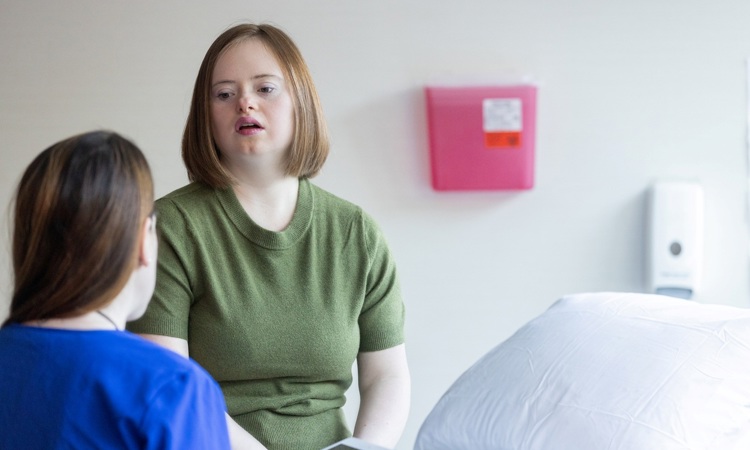
Now you know about the different types of doctor, you'll want to see the reality of the job. Let's look at what doctors experience every day.
Read about life as a doctor
Answer a few quick questions about how you'd like to work. It's a quick interactive tool that suggests an area to start with, and there aren't any right or wrong answers.
Try our pathfinder