
Richard Partridge
13 May 2026
•3 min read

Theatre to theatre: finding a new way to help people
Hello, I’m Richard, and I’m a nursing and midwifery practice educator at Public Services Delivery Scotland.
At school, I left with several GCSEs including English, Maths, and Science. I didn't realise then how useful those subjects would be for my future nursing career. They’re useful subjects to have for a career in health and care, even if your career path takes a few turns like mine did.
I also took A-levels in art, drama, and religious education because I’ve always enjoyed being creative. In 1995, I started a degree in theatre, music, and media studies. Even though my degree wasn’t in healthcare, my creative studies gave me confidence and communication skills that I still use in my role every day.
My motivation to move into nursing came later in 2003 after I received excellent care as a patient. Inspired by that experience, I began working as a healthcare support worker in NHS Wales (GIG Cymru) for about 14 months. This time allowed me to better understand how health and care services work before I started my professional nursing degree in 2004.
I qualified as an adult nurse in 2007 and knew immediately that I wanted to specialise in surgical care. I spent 4 months as a recovery nurse in day surgery before moving to Scotland to become a perioperative practitioner. I worked in orthopaedic theatres and gained experience in general surgery, urology, and vascular surgery.
Moving from frontline care to teaching and mentoring
Later, in 2011, I was promoted to deputy charge nurse where I supported student nurses on practice learning experiences. While I loved clinical work, I realised I felt happiest when I was supporting others to learn. I saw how good supervision can make a real difference for staff and patient care.
In 2014, a charge nurse colleague encouraged me to apply for a secondment as a practice education facilitator. This allowed me to explore education as a new pathway while I also began a master’s degree. I wanted to develop my critical thinking and find better ways to support nursing colleagues and student around me.
In 2016, I moved into my current role where I bring together my nursing background and leadership experience. People are often surprised by how much of my job happens behind the scenes. I spend a lot of my time developing and reviewing learning resources to fit national guidance.
Using my creativity to improve healthcare education
I use my creative skills to design practical resources that colleagues want to engage with during their busy shifts. It’s satisfying to take a complex clinical guide and turn it into something visual and easy to follow. I combine my clinical background with a touch of imagination to produce materials that are relevant for all practitioners.
A typical week might include delivering education sessions or working with strategic leads to review national learning initiatives. I enjoy the challenge of finding better ways to explain things so that learning feels accessible and useful. This creative process helps practitioners provide the safe and compassionate care patients need.
I also use coaching and discussion to help my colleagues grow in their own professional roles. Signposting staff to relevant learning resources is another way I help them find the right opportunities for their development. It’s rewarding to see how an engaging resource can help a clinician feel more confident on the ward.
Finding my voice as a leader
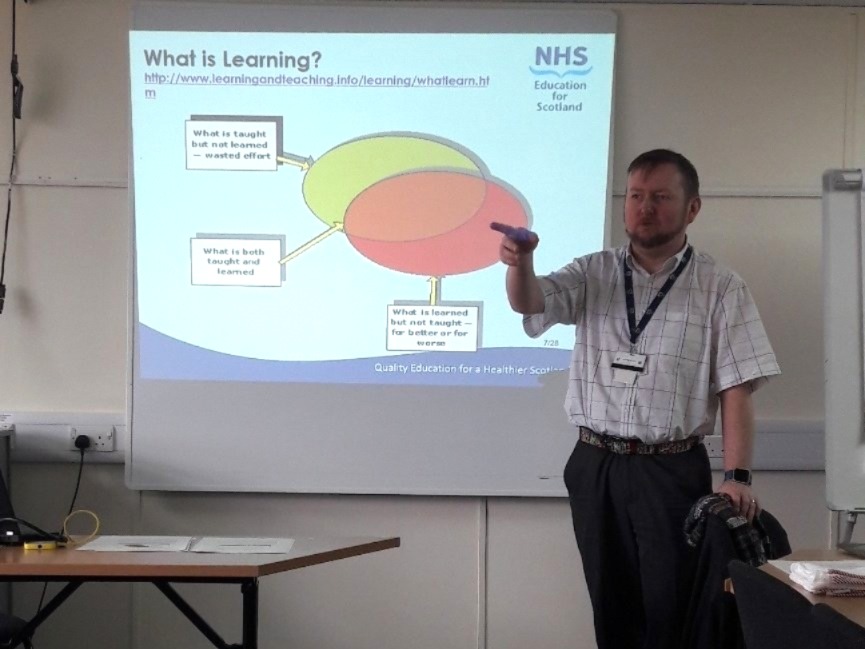
One of the most significant moments in my career was realising how much my own confidence has grown. As a shy child, I never imagined I would be able to present in front of a room of people. Developing my leadership skills has been a gradual process that started with finding my own voice.
Finding that voice now feels like a real milestone for me, both personally and professionally. Leadership isn’t always about a formal title. It’s about confidence, authenticity, and empowering the people around you. Seeing how far I’ve come has confirmed that I’m in the right role for my skills.
I believe having integrity is the most important skill for my role because it underpins trust. Colleagues need to trust that the training we provide is fair, inclusive, and based on the latest evidence. They also need to feel confident that the education support I provide is meaningful and aligned with the NHS Scotland values.
Collaboration and 'light-bulb moments'
I spend a lot of time talking and listening to practitioners to understand what they need. Education isn’t just about teaching content. It’s about building relationships and understanding how services work. Most of that work isn't visible, but it’s what makes learning effective and meaningful.
I work closely with other educators in my host board at NHS Ayrshire and Arran and my colleagues at Public Services Delivery Scotland. These relationships are essential for sharing best practice and co-developing resources that are inclusive for everyone. We often work across organisational boundaries to empower people to take ownership of their own learning.
What gets me up in the mornings is knowing that the education I support develops a skilled workforce. I love seeing "light-bulb moments" when colleagues understand a new concept for the first time. Knowing I’ve helped them feel more confident makes my work rewarding and satisfying every day.
Continual learning and development
I continue to learn and develop by engaging with Turas Learn resources and national education networks. Reflective practice and clinical supervision give me the time to think critically about how I support others. I also find the Nursing and Midwifery Council (NMC) revalidation process helpful for meaningful professional discussion and challenging my thinking. I use my professional portfolio to record my learning development to support the process.
The best piece of career advice I ever received was that careers don’t always follow a straightforward path. A senior colleague encouraged me to stay open to opportunities and not feel pressured to plan everything out. This advice helped me say yes to development roles and secondments I hadn't originally considered.
What makes me most proud is being part of a role that supports the workforce to deliver high-quality care. While my work isn’t directly patient-facing, I know it makes a difference to those providing care every day. Helping staff feel more capable and valued leads to safe, kinder, and more effective patient experiences.
Looking back on my nursing career
Moving into practice education is the best career decision I’ve made because it aligns strongly with my personal values. Although it felt like a huge step outside my comfort zone, I have no regrets about the move. It’s energising to be in a role where people feel supported and included at work.
Education offers many pathways from senior educator roles to strategic leadership opportunities within the wider health service. My focus is on continuing to develop my expertise while contributing to inclusive learning across NHS Scotland. I want to continue making learning something people connect with and want to engage in.
I feel very fortunate that my journey has led me here, and I wouldn't change anything about it. Uncertainty is often where the most growth happens, so I hope my story shows you that a non-traditional route is rewarding. Creativity and communication are skills that will help you thrive in any professional healthcare setting.
My top 3 tips for your career in practice education
If you’re interested in becoming a practice educator, here’s my advice:
- Support student learning—Get involved in supervising or assessing student nurses to see if you enjoy the teaching side of the role.
- Focus on communication—Use your clinical experience to find creative ways to explain complex ideas to your colleagues and students.
- Look for secondments—Don’t be afraid to step outside your comfort zone. Try a temporary education role to build your confidence and skills.
My career has taught me that you don’t always need a straightforward plan to be successful. Taking different opportunities and secondments helped me grow in confidence and find a professional role that feels right for me.
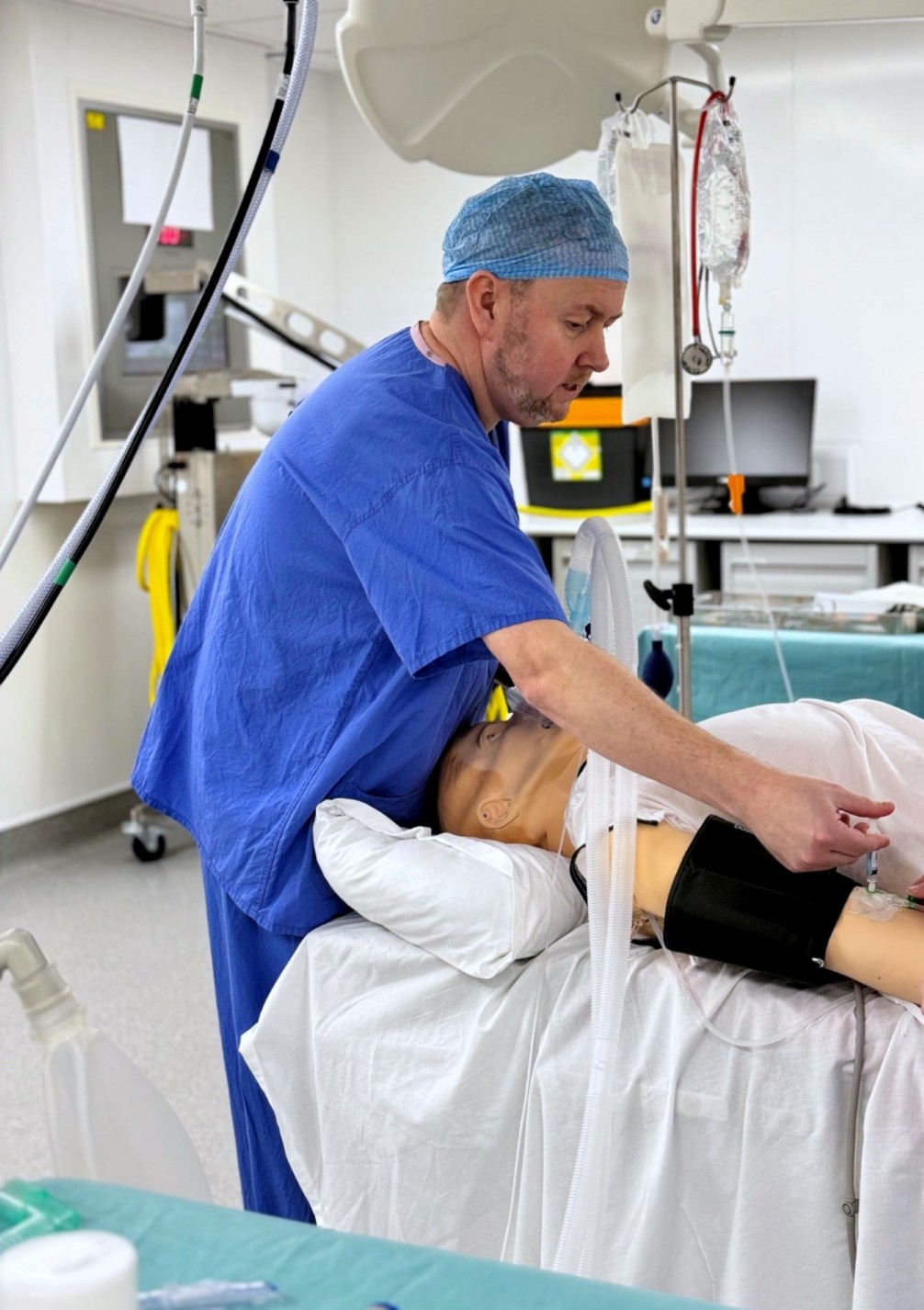
Start your own practice education career
If Richard’s story inspired you, find out how you can support the learning of nursing and midwifery students and practitioners. Check out our practice educator job profile to find out more.