
Dr Rhona McInnes
05 May 2026
•2 min read

My switch to midwifery
I originally chose to study nursing at the University of Glasgow because it provided an opportunity to study nursing and gain a degree, before degrees became the norm. During my time there, I went to a talk by Voluntary Service Overseas (VSO), which is an organisation that aims to fight poverty by sending volunteers to developing countries.
Hearing about how they work alongside local communities inspired me to work overseas and find a way to help people who needed it most. I felt I could make a bigger impact as a midwife in those areas. A placement at the old Rottenrow Maternity Hospital, now the Glasgow Royal Maternity Hospital, confirmed my switch to the profession.
Learning the value of clinical observations
I still remember working with experienced midwives who relied on their intuition to understand how a labour was progressing. They had a special ability to accept that every woman's experience of childbearing is unique and often did not follow a standard chart. It taught me that while rules can be helpful, we must always value the individuality of the person.
I also recall a lesson during my training when a consultant obstetrician asked medical students how to spot a significant health change during pregnancy. Many of them were so focused on checking the clinical charts that they forgot to look at the woman. There were obvious physical signs of blood loss right in front of them that they missed because they weren't properly observing her.
Gaining a global perspective on midwifery care
I accepted my first midwifery post in Oxford because there weren't many jobs in Scotland at the time. It turned out to be a powerful professional experience for me. Being a midwife in England provided insight into different ways of working that were often more woman-centred than some of the medicalised approaches I'd seen in Scotland at this time.
I learned about the importance of trusting in the ability of women's bodies to birth and feed their babies without the need for unnecessary rules or interventions.
Comparing different healthcare systems
Having the chance to volunteer and work abroad has been key to my midwifery career. These opportunities allowed me to see how different healthcare systems work. They also taught me the importance of being tolerant and accepting of differences when I returned to work in Scotland.
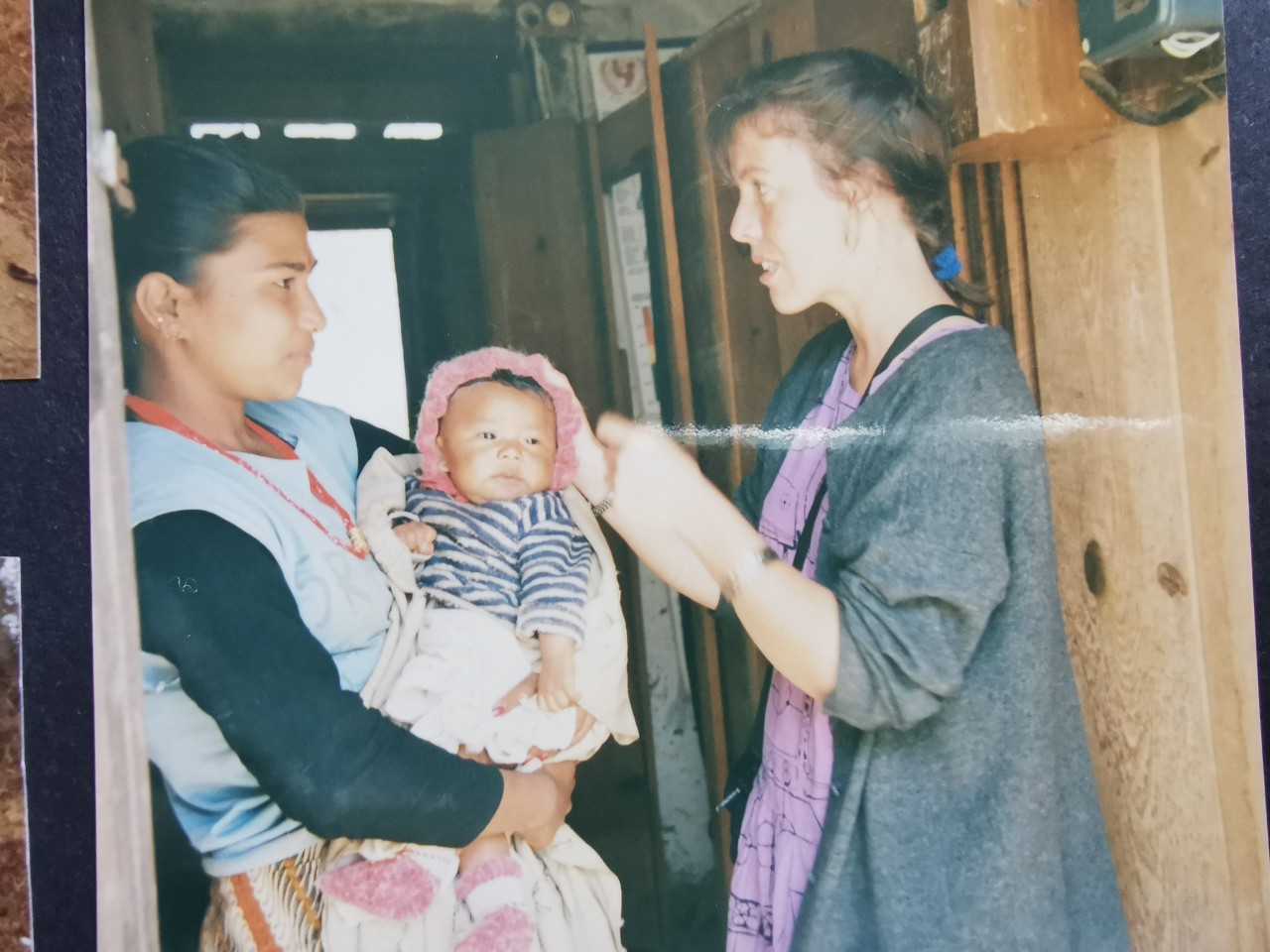
Improving health outcomes in Nepal
Volunteering in Nepal showed me what happens when women don't have status or control over their own decisions. Babies there are usually born and breastfed as a normal part of daily family life. However, harm can be caused when health ideas are taken out of context.
An example of this is when I saw a baby being bottle-fed because it was seen as the ‘modern’ choice, but the lack of clean water and other resources meant that this baby had become very sick.
I realised that many health outcomes are actually related to the environment and public health, like having access to clean water. It taught me that healthcare must be driven by the context of a person's life and the environment they live in every day.
My time in local villages showed me that many lives could be saved through:
- direct access to midwives
- better hygiene and clean water
- good food
- fuel to cook with safely
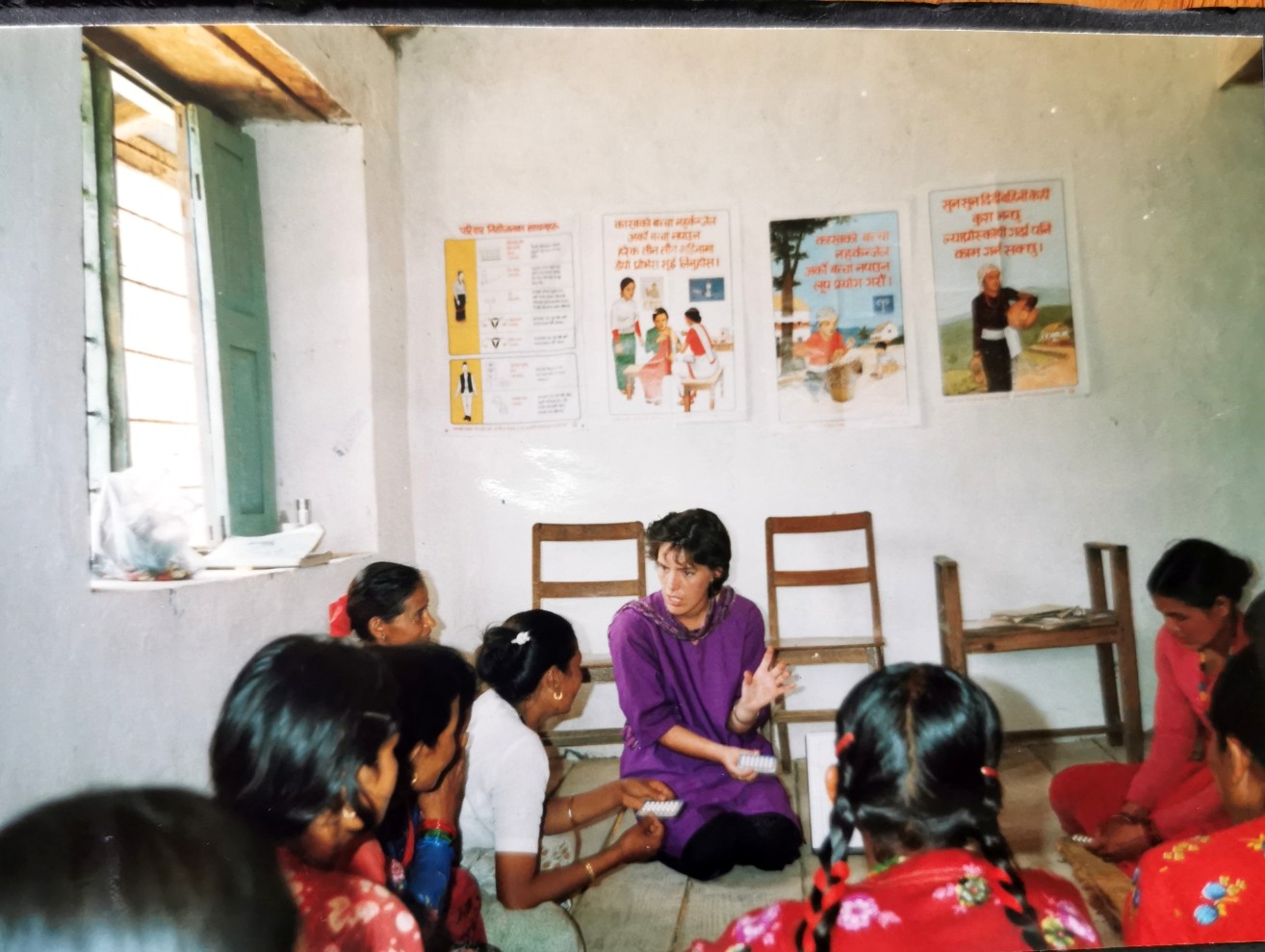
Bringing global lessons back to Scotland
The contrast between Nepal and Scotland showed me the huge gaps in care that exist around the world. I learned about the idea of ‘too little too late, too much too soon’, which describes how some people get no help while others get too many medical interventions. I used this insight during my time as a lecturer at Stirling University to help teach student midwives.
It also inspired my work in NHS Lothian as part of the Scottish Government’s ‘The Best Start’ plan. I wanted to help create a system that focuses on building strong relationships between midwives and families. My experiences in Nepal were shaped by the generous people I met who invited me into their homes and accepted me as I was.
They taught me so much about being tolerant and kind, which are values I’ve kept throughout my whole career. I feel lucky that I could bring those personal lessons back to my clinical practice and teaching in Scotland. It’s important to respect our differences so we can provide better care for everyone.

Why I focused my PhD research on breastfeeding
When I returned to Glasgow in the early 1990s, I felt a culture shock because birth seemed so commercialised compared to the simple life in Nepal. I felt the focus had moved away from the woman, even though looking after and empowering a mother is the best way to support her growing baby. This interest led to my PhD on breastfeeding, as infant feeding affects the long-term health of both the mother and the newborn child.
Supporting the next generation of student nurses at the Open University
At the Open University, I have a role in the undergraduate nursing programme. The OU provides opportunities for healthcare support workers to study to become registered nurses. I collaborate with health boards and support students to complete their nursing degree.
We aim to widen access for students whose life circumstances might have stopped them from studying for a professional role in the healthcare sector before. I enjoy problem-solving ways to help people build their own resilience so they can go on to become the next generation of nurses.
Challenging modern trends
My varied career has motivated me to challenge the modern trend of using strict protocols to drive every clinical decision. It can override a clinician's expertise, professional intuition and women’s choices. We need to get back to the real meaning of being a midwife, which is about building a trusting relationship and being with the woman. After all, that’s exactly what ‘midwife’ means: ‘with-woman’.
The value of an unconventional career pathway
Globally, strong healthcare workers are needed now more than ever to advocate for people as care becomes more medicalised and focused on money.
Taking an unconventional pathway through different countries has made me a more adaptable and compassionate professional. I hope my story shows you that your career doesn't have to be a straight line to be very rewarding.
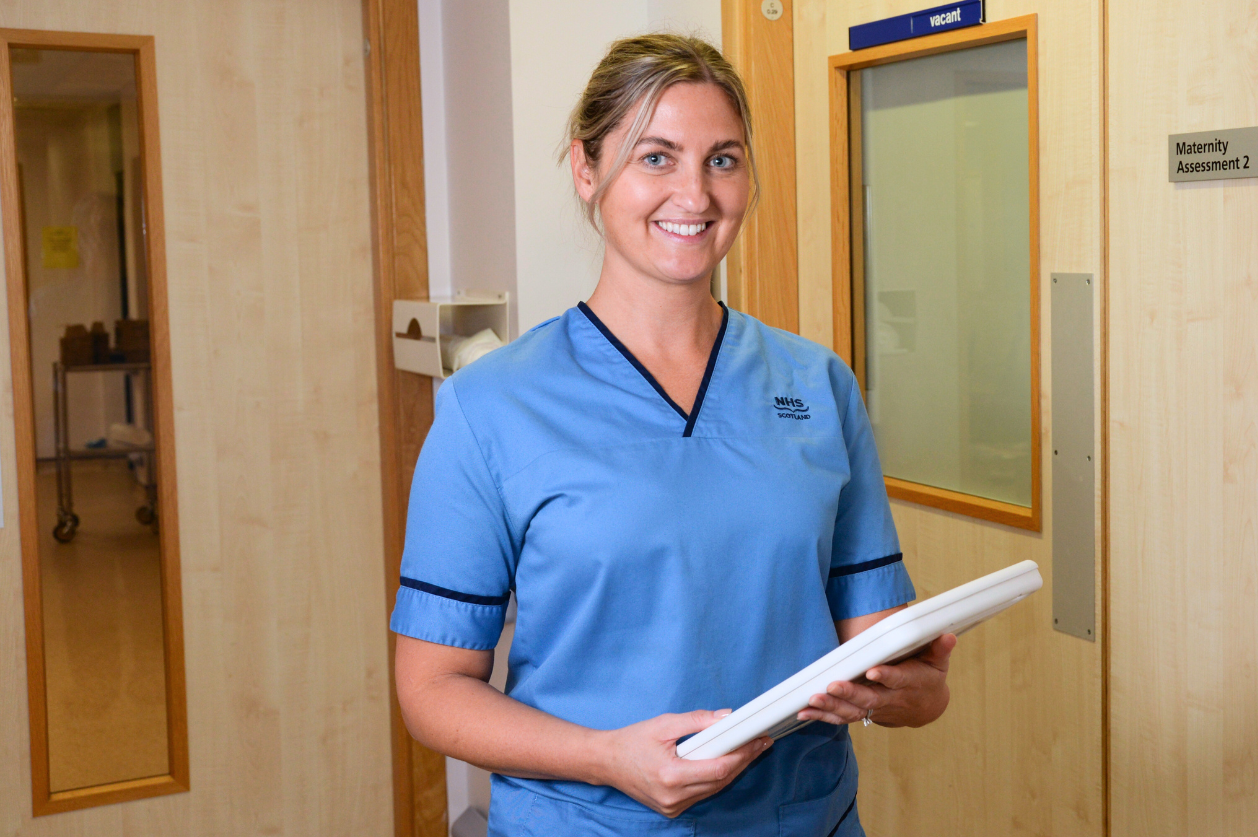
Find out more about midwifery
If you're ready to follow your heart into a role that helps families thrive, discover how to start your midwifery career in Scotland.