Previous
UCAT and GAMSAT explained
You don't need a hospital placement to apply to medical school in Scotland. Work experience isn't always mandatory, and no university expects you to have shadowed a consultant. What they want is evidence that you understand the role and enjoy helping people. A Saturday job, a caring role, or a volunteering placement can show this perfectly.
There's no set number of hours, and more isn't always better. A short placement you can talk about thoughtfully beats months you can't describe. Requirements vary between medical schools, so always check each one before you apply.
You can build the communication and care skills you need through lots of different activities. From paid weekend jobs to volunteering, here's what admissions teams look for.
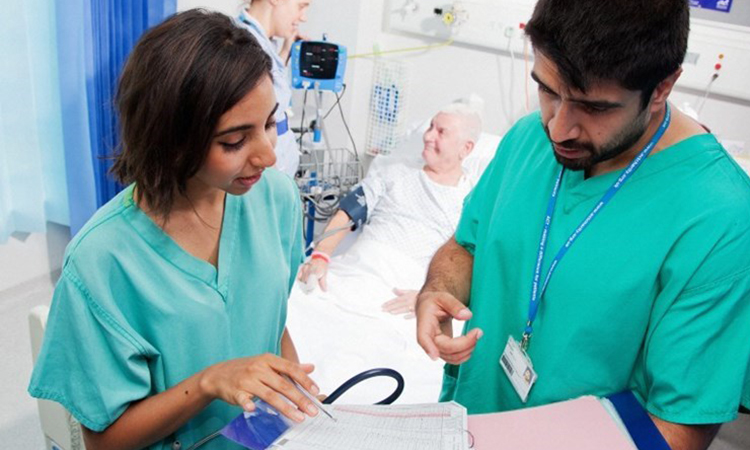
Shadowing or volunteering in a hospital, clinic, or care home is great. It lets you see how teams work, how staff talk to patients, and what the job looks like on an ordinary day.
A part-time job counts as excellent experience. Serving customers during a difficult shift, handling complaints, and working with a team under pressure all build communication and resilience. Medical schools know that many applicants need to work, so paid employment isn't a lesser form of experience.
Volunteering builds the same skills, whether it's in healthcare or not. Befriending, youth work, coaching, and charity shops all involve working with a diverse range of people.
You can find volunteering opportunities with the following organisations:
If you look after a family member, friend, or neighbour, you already have experience of illness, disability, or ageing. Medical schools recognise this, and you can write about it in your application. You're also likely to meet widening access criteria as a young carer, which can mean an adjusted offer.
You’ll find free programmes online, so they can be done from anywhere. They are useful if in-person placements are hard to find locally:
If you're still at school, a Foundation Apprenticeship in Social Services and Healthcare is very structured. You'll spend part of your week at college and part of it on a real work placement. You're assessed as you go rather than by a final exam, and you may need a PVG scheme check before starting.
There are 2 things to remember before you choose this route:
Availability varies across the country. Places are limited, and not every school offers every subject. Ask your guidance teacher what's available and apply early, as applications usually open in the spring.
Your local NHS Scotland health board might run a work experience programme, so check their website first. Beyond that, you can contact general medical practices, care homes, and community organisations directly. A short email explaining who you are and what you're hoping to learn works much better than a general enquiry.
Expect some places to say no, or to have nothing available right now. If you're struggling, your local Reach programme or a student-led outreach group can often help.
This is the part applicants can sometimes underestimate. Medical schools aren't interested in a simple list of what you did. They want to know what you noticed, what you found difficult, and what it told you about the job.
Saying “I shadowed a general practitioner for a week” tells them almost nothing. However, saying “I watched a general practitioner explain a diagnosis 3 different ways until the patient understood” shows real insight.
Write things down while they're fresh. A few lines after each session will be far more useful in 6 months than trying to remember it all later. The University of Edinburgh Reflection Toolkit is a free guide to doing this well.
Understanding the profession helps show you've made an informed choice. Reading medical journals will help you to stay informed, but you don't need to read hundreds of them. It's better to pick a few articles that interest you and focus on understanding the main pressures on healthcare in Scotland.
Try to read up on things like:
Being able to discuss one of these thoughtfully is worth more than briefly mentioning all of them.
Find out how to turn your work experience reflections into a strong UCAS personal statement.
Personal statement guide
Learn how to talk about your placement and use your real-world examples to answer interview questions.
Medical school interview guide