
Anthony Freel
30 March 2026
•2 min read

It began during the pandemic
My career in healthcare began during the pandemic. I had been in retail for several years, but I felt a growing need to do something more meaningful. I wanted to make a real difference in people's lives. My partner worked in care and encouraged me to consider it, as support was urgently needed.
I took the leap and became a care assistant in a home for elderly residents with dementia. I knew immediately it was the right decision. I found great fulfilment in caring for others and building connections with the residents and their families.
Learning new skills, step by step
My passion for learning grew quickly. Within a year, I was working towards my SVQ Level 3 qualification. This helped me develop my skills and take on more responsibility as a team leader, creating personalised care plans for our residents.
After two years, I pursued further training to become a care home assistant practitioner. This introduced me to clinical tasks like phlebotomy and other nursing interventions. I then moved to a unit with residents who had more complex needs, which expanded my experience even more. I knew I wanted to keep progressing, but with family commitments, I didn't think a full-time nursing degree was an option for me.
The perfect opportunity: earning while learning
That’s when I discovered the trainee nursing assistant practitioner programme with NHS Lanarkshire. It was the perfect fit. It allowed me to work and study at the same time, gaining experience in an acute hospital setting while completing my coursework. I applied, was successful, and began my NHS career.
The best decision I have made so far was to join NHS Lanarkshire. It was the beginning of a lifelong career.
A day in the life of a nursing assistant practitioner
Today, I’m a qualified nursing assistant practitioner. My role is a bridge between a healthcare support worker and a registered staff nurse. I support the whole team in delivering excellent patient care.
A typical day is busy and varied. My responsibilities include:
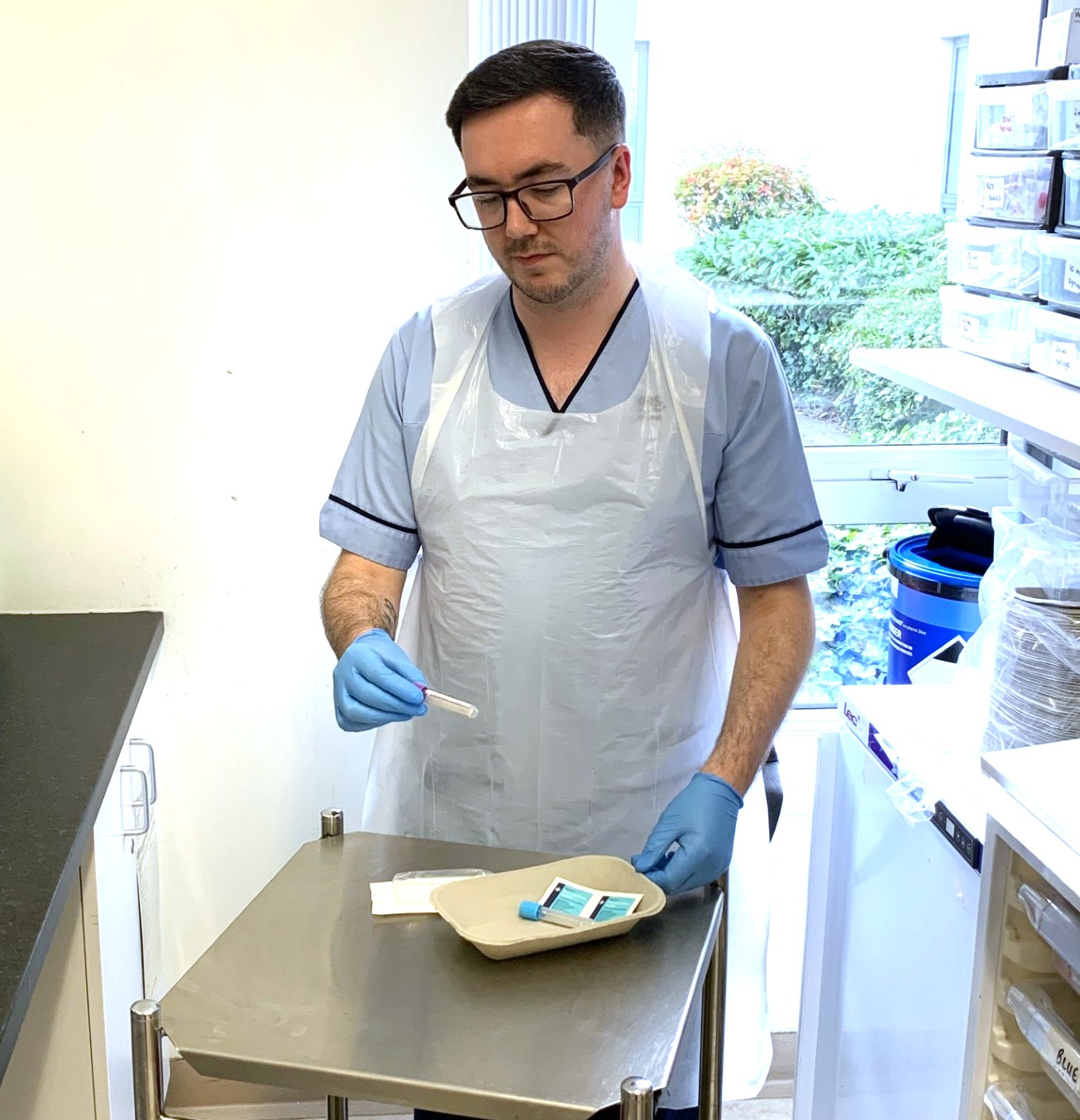
- Carrying out clinical interventions like IV cannulation, phlebotomy, wound management, and urinary catheterisation.
- Supporting discharge planning for patients in multidisciplinary team meetings.
- Helping patients regain their mobility and daily life skills, working closely with physiotherapists and occupational therapists.
- Liaising with local councils and district nursing teams so that a patient's care continues after they leave the hospital.
It’s a new role in NHS Lanarkshire. Many people are surprised by the wide scope of clinical tasks a nursing assistant practitioner can do.
The skills that matter most
To succeed in this role, you need to be able to think on your feet. These 3 skills have been crucial on my journey:
- Adapting—Things can change very quickly in a hospital. I have to adapt my approach to different situations and tasks to keep patients safe.
- Communication—Clear and effective communication with patients and colleagues is essential for safe and effective care.
- Leading—As a nursing assistant practitioner, I help organise the delivery of care. I need the skills to lead, delegate, and be a positive role model for my colleagues.
More than just a job
The best part of my day is always interacting with patients. Being in hospital can be a lonely experience for people. Getting to know them, hearing their stories, and finding out what matters most helps me shape the care I provide. Sometimes just having a good chat and a laugh can lighten the mood and make a huge difference.
Seeing a patient’s progress from being unwell to returning home to their loved ones is what makes me proud to be part of the NHS.
My advice for your next career step
My journey so far has taught me so much. The best advice I’ve received is to take responsibility for your own development and, most importantly, do what makes you happy.
When you are happy in your career, you excel and feel that you are making a difference. If you are a healthcare support worker and want to progress, you should consider the assistant practitioner route. The training and experience are amazing! It proves that there are many different pathways to advance your career in the NHS.
Find your purpose in patient care
Anthony’s journey shows that career progression is possible for everyone. The assistant practitioner route allows you to gain new clinical skills and qualifications while you work. This will help you balance your development with your life commitments.
If you're a healthcare support worker ready for the next challenge, this could be the perfect path for you.