
Claire Cameron
29 May 2026
•2 min read

Introducing Super Samples!
We love finding fun ways to show young people how science connects to vital health and care roles. Here at Public Services Delivery Scotland, we've teamed up with My World of Work to bring you an interactive classroom activity called Super Samples. This year, we're challenging school pupils across Scotland to step into the shoes of our laboratory teams.
Bringing healthcare science to life
Super Samples was originally created by Skills Development Scotland for My World of Work in association with NHS Education for Scotland, now Public Services Delivery Scotland. It helps young people understand what happens to biological samples, including blood, pee, poo, and skin tissue, once they're taken from patients and sent to NHS labs. By playing Super Samples, learners discover the direct connection between classroom science and saving lives.
This collaborative game helps make biomedical science far more visible, relevant, and accessible to young people from all backgrounds. It allows them to develop transferable skills like communication, critical thinking, and fast decision-making. These are exactly the kind of skills our real-world laboratory teams use when analysing samples during emergencies.
What is the Beat the Clock challenge?
Beat the Clock is a learner-centred classroom challenge using the Super Samples online game. The interactive activity gives young people a real taste of life inside an NHS Scotland laboratory. It focuses on participation, teamwork and curiosity rather than tests or grading.
Pupils work in teams, take on different roles, and experience how biomedical scientists support patient care. When they take part, they’ll work together to manage resources, avoid risks, and complete as many tests as they can before the clock runs out.
- They'll follow blood and tissue samples through a busy hospital lab.
- They'll experience how our teams help doctors choose the right treatments.
- They'll use their school biology, chemistry, and data skills to solve real problems.
It's a brilliant way to show young people how their favourite school subjects can lead to amazing healthcare science careers.
How to take part in our Beat the Clock challenge
It's very easy for teachers and careers advisers to run this challenge in the classroom.
Run the Super Samples Classroom Clash activity using the ready-made lesson plan. Download the Super Samples lesson plan.
Encourage learners to work as an NHS laboratory team to complete the challenge. Play the Super Samples game. Learners can watch a video to find out how to play Super Samples.
Discuss what biomedical scientists do and how science subjects link to health and care careers. To discover more about what our teams do, you can find out how to become a biomedical scientist.
Why biomedical science matters
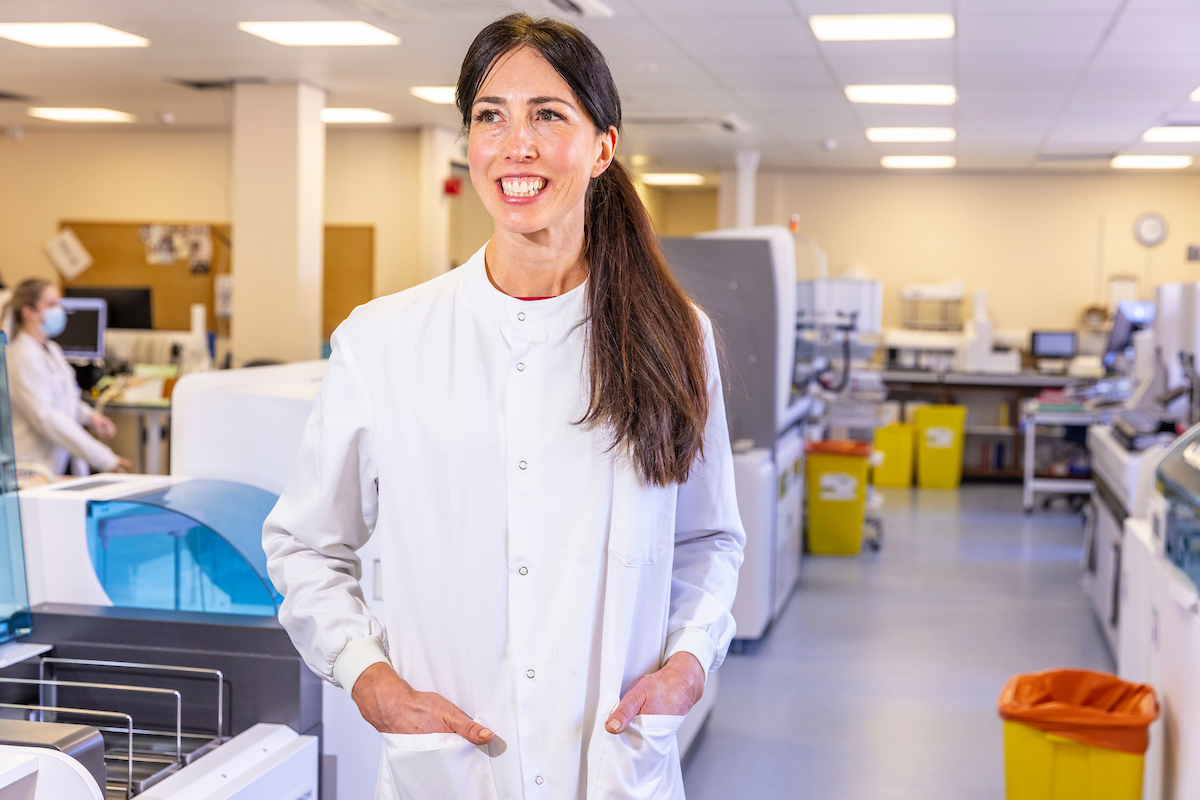
Biomedical scientists work behind the scenes in NHS Scotland laboratories to help diagnose and treat patients every day. In fact, our laboratory staff support around 80% of all clinical decisions made across the NHS. From identifying global infections to monitoring long-term conditions, their work is essential to safe and effective patient treatment.
They work across a range of essential laboratory areas, including blood sciences, microbiology, immunology, and genetics. Even though much of this work happens away from patient areas, these professionals play a huge part in improving health outcomes. Their daily tasks are at the very heart of modern patient safety and cancer care.
How Super Samples supports career awareness
Many young people enjoy science at school but are completely unaware of laboratory-based healthcare careers. Super Samples supports early career exploration by highlighting biomedical science as a rewarding career option, not just a school subject. It shows pupils how their practical science skills are used in real NHS workplaces.
For teachers and careers advisers, the game provides a practical, curriculum-linked way to introduce healthcare science careers. It helps pupils make informed choices about their school subjects and further studies. We want to encourage pupils from all communities to see themselves in these vital roles.
Becoming a biomedical scientist in the NHS
There are clear and supported training pathways into biomedical scientist careers within NHS Scotland. Most people start by studying relevant subjects at school, such as biology and chemistry, before completing an accredited university degree. From there, you'll undertake workplace training and professional development inside a working NHS laboratory.
A career in biomedical science offers a stable, rewarding environment with great progression into senior or specialist leadership roles. You'll get the chance to specialise in a specific laboratory discipline that matches your personal interests. Best of all, you'll contribute directly to public health and patient care in Scotland every single day.
Institute of Biomedical Science
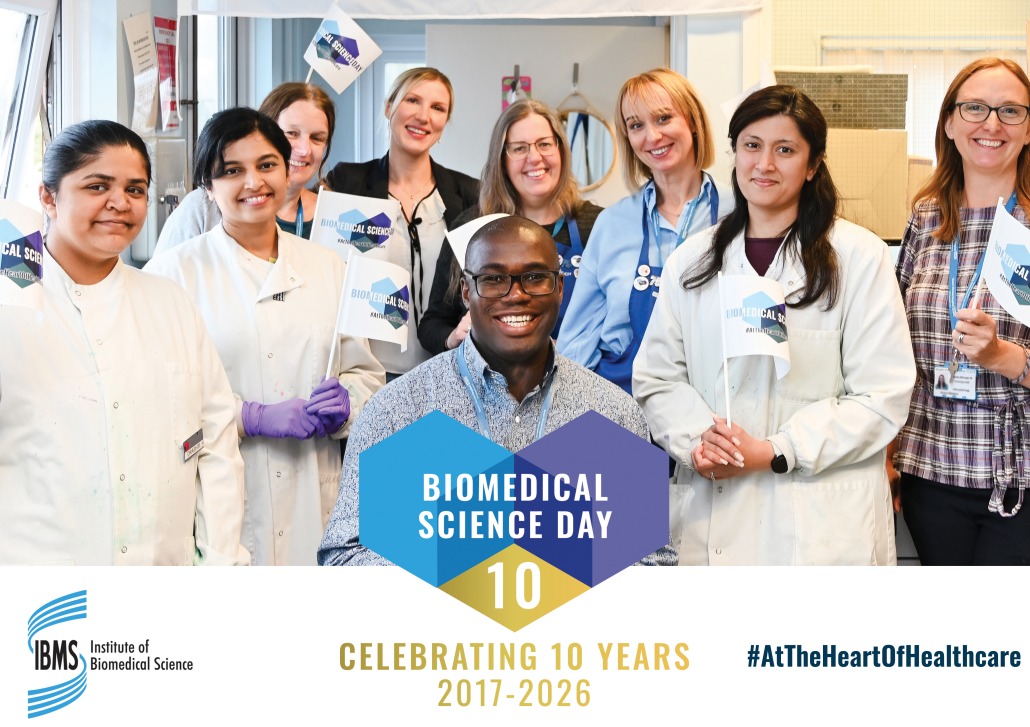
The Institute of Biomedical Science (IBMS) is the professional body for scientists, support staff, and students working in the field of biomedical science. They set the training standards, award professional qualifications, and represent laboratory staff across the UK to advance healthcare science.
You’ll find photo competitions, digital packs, and extra activities for the Biomedical Science Day 2026 milestone 10th anniversary on the Institute of Biomedical Science resource hub.