
Claire Cameron
03 June 2026
•2 min read
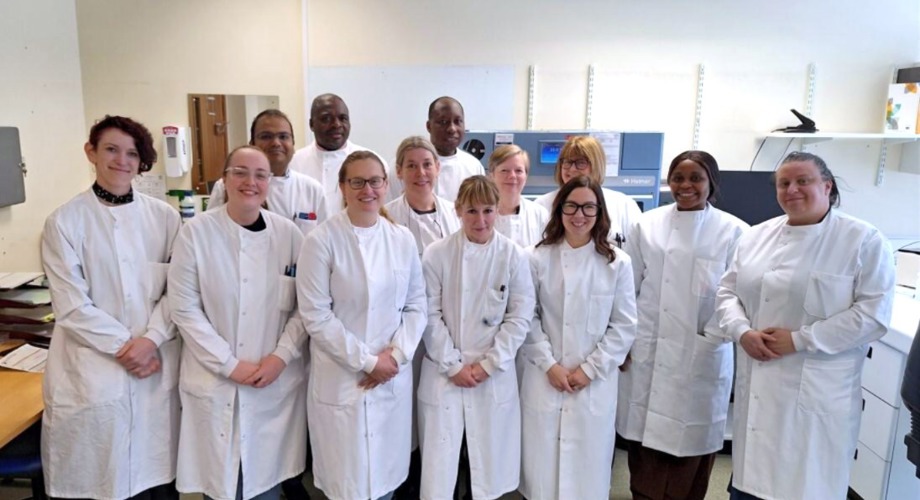
Celebrating our laboratory teams
Biomedical Science Day is a fantastic opportunity to recognise the vital contribution of healthcare science staff across NHS Scotland. Working behind the scenes, these dedicated professionals make sure that safe, compatible blood is always available whenever a patient needs it.
Across Scotland, our teams operate in many different clinical settings. From large specialist national laboratories to regional hospital-based services, everyone plays a role in supporting patient care.
Starting the day in the laboratory
No matter where they're based, a biomedical scientist’s day always begins with essential safety checks. They verify complex laboratory equipment, complete quality control procedures, and review computer systems to confirm total accuracy.
As the daily testing begins, biological samples arrive from hospital wards, operating theatres, and emergency departments. Some samples are routine while others are highly urgent, requiring careful prioritisation and quick decision-making from the team.
Specialist services in Glasgow at Gartnavel
At the Scottish National Blood Transfusion Service (SNBTS) Patient Services laboratory in Gartnavel General Hospital, the focus is on specialist and large-scale transfusion support across the West of Scotland. Biomedical scientists here carry out high-volume pre-transfusion testing, including crossmatching blood to confirm compatibility between donor units and patients.
They also handle advanced immunohaematology investigations within Red Cell Immunohaematology (RCI). This specialist setting supports patients who require detailed testing, such as resolving challenging serological cases or identifying complex and rare antibodies.
The team uses additional techniques like genotyping and specialised assays to help doctors make critical clinical decisions. Alongside testing, they manage the selection and dispatch of blood components to local hospitals, keeping every unit fully traceable.
Regional service delivery in Inverness at Raigmore Hospital
At Raigmore Hospital in Inverness, biomedical scientists provide a 24/7 hospital-based transfusion service. They support a wide, geographically diverse population across the Highlands where rapid testing is essential for routine and emergency care.
The laboratory performs continuous blood grouping, antibody screening, and compatibility testing, often with urgent turnaround times. As a regional Red Cell Investigation Centre, the laboratory also undertakes complex antibody investigations to support smaller local hospitals.
Working in the Highlands brings unique responsibilities, especially during independent out-of-hours shifts. Our scientists must manage local blood stock levels carefully and plan for potential transport delays to remote areas.
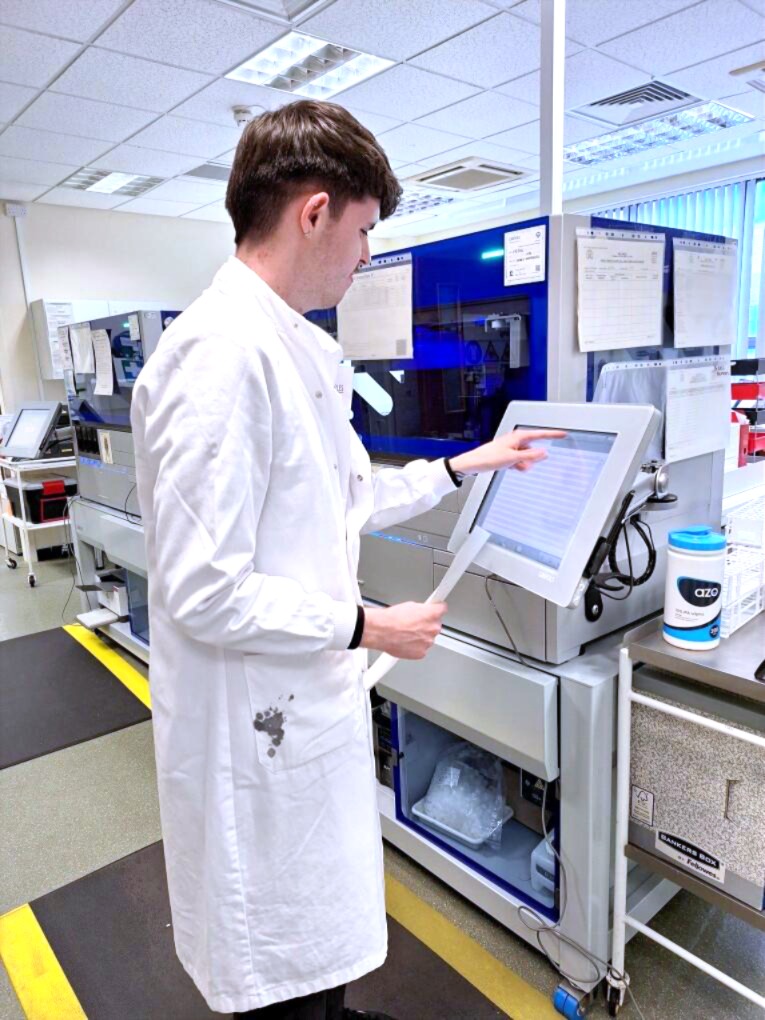
Working together to deliver safe care
Although they serve different areas geographically, both services share the same goal: making sure patients receive the right blood at the right time.
- Specialist centres like Gartnavel provide advanced diagnostics, complex investigations, and large-scale distribution.
- Regional laboratories like Raigmore deliver frontline, responsive testing and local transfusion support across challenging areas.
Together, these laboratory services form a connected network that underpins safe transfusion practice across the whole of NHS Scotland.
Behind the scenes, making a difference
Alongside daily testing, biomedical scientists are responsible for quality assurance, result validation, and regulatory compliance. They maintain the highest standards of laboratory practice to keep patients safe.
Although much of this work takes place away from hospital wards, the impact is immediate and significant. Every test performed and every blood unit provided contributes directly to saving lives in an emergency.
Working in blood transfusion is both challenging and highly rewarding. It requires great precision, resilience, and teamwork, but it offers the opportunity to make a real difference to public health.
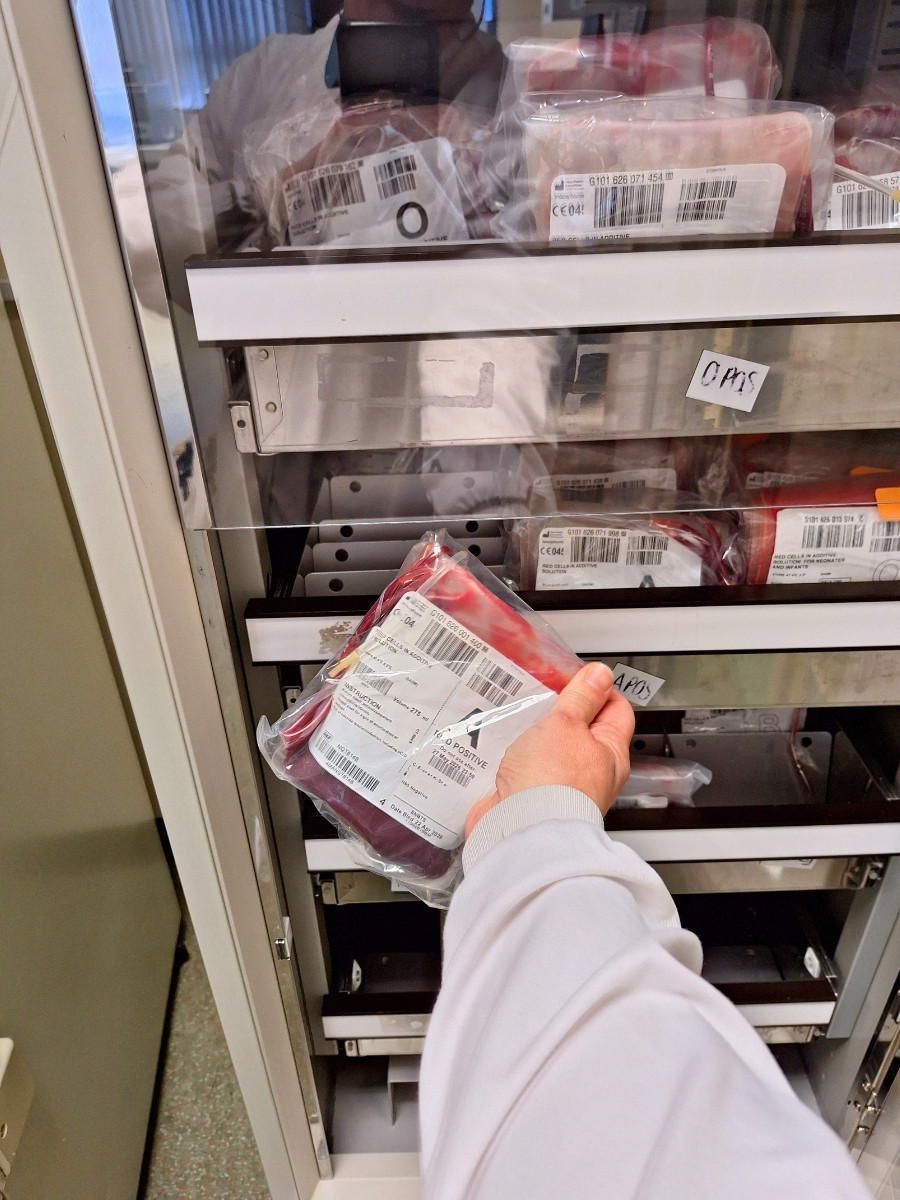
A rewarding and impactful career
Biomedical scientists use computers and advanced laboratory equipment to conduct a wide range of scientific tests. These tests help doctors and other healthcare professionals diagnose, monitor, and manage diseases safely.
In our blood transfusion services, these staff are at the very heart of healthcare. This Biomedical Science Day, we celebrate the wide expertise and dedication of all our laboratory teams across Scotland.
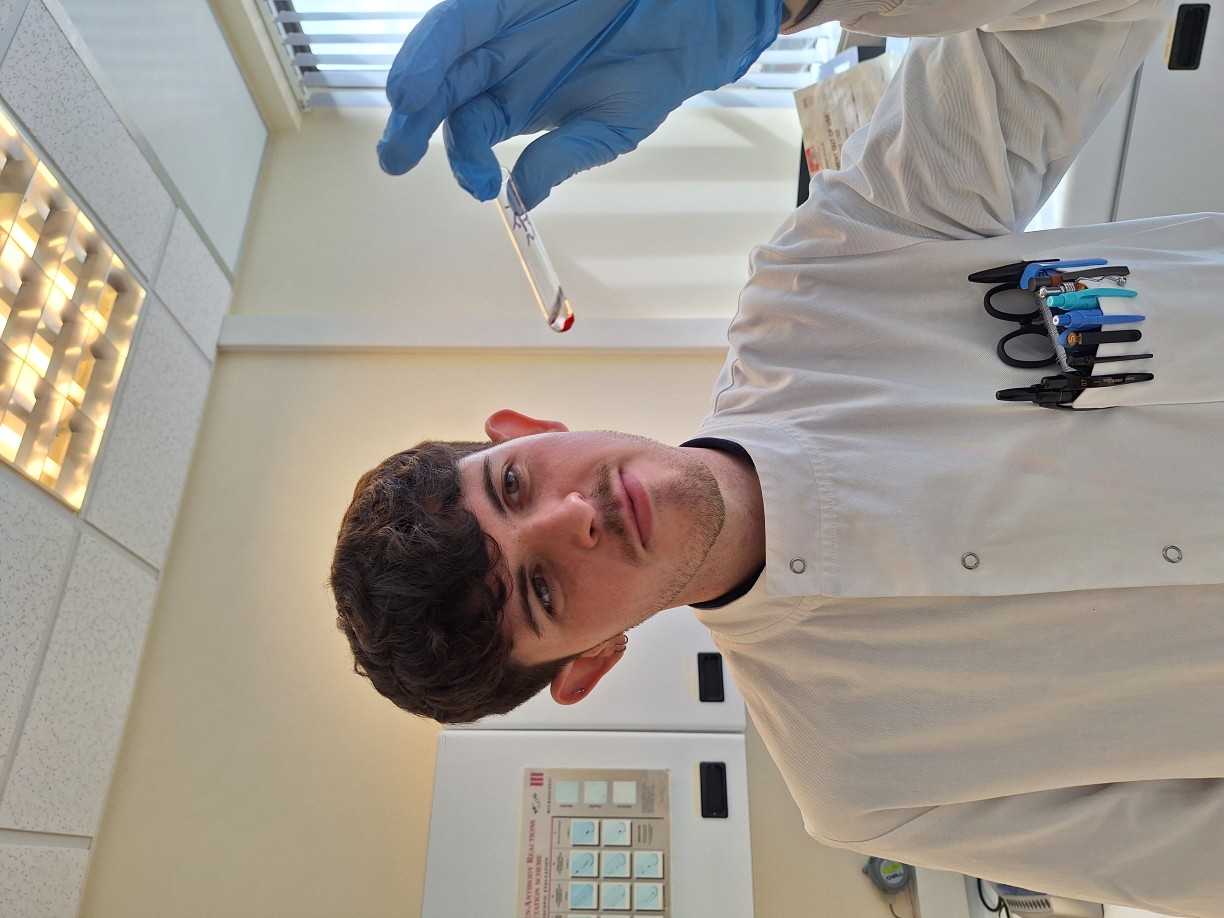
Start your career in healthcare science
If you want to use your love for science to help others, you can learn more about this rewarding pathway. Find out how you can become a biomedical scientist in the NHS