
Martin Bryce
19 February 2026
•2 min read

Celebrating a century of heritage and 25 years of AHP excellence
As we celebrate this centenary, we also mark another vital anniversary: 25 years of Allied Health Professions (AHPs). Dietitians are a core part of this diverse group of 14 professions, working alongside physiotherapists, occupational therapists, and podiatrists to provide high-quality, person-centred care across Scotland.
The rosehip revolution
Long before nutrition was a trending topic, pioneers like Mary Andross (1893–1968) proved that dietitians are essential to national health. A brilliant chemist and teacher at the Glasgow and West of Scotland College of Domestic Science, Mary was a force of nature. She didn't just stay in the lab; she understood that for science to matter, it had to reach people's plates.
During the Second World War, when citrus fruits were not readily available, Mary discovered that the humble rosehip, growing wild across Scotland, contained up to 20 times as much vitamin C as an orange.
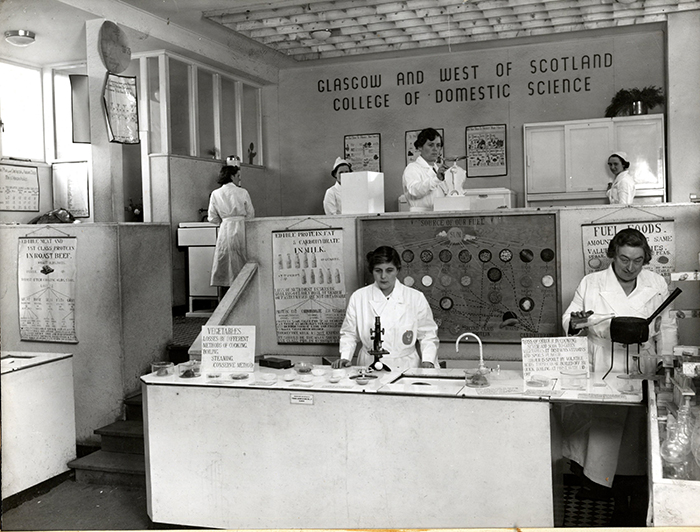
Using nutrition and science to solve a national crisis
By developing recipes for rosehip syrup, she led a national effort that protected thousands of children from deficiency. It was “wartime hacking” at its best—using nutrition and science to solve a national crisis.
Read more about Mary Andross and her food research.
But Mary didn't do it alone. Her discovery sparked a massive national movement. Thousands of Scouts and Guides took to the Scottish hedgerows to forage for the fruit, while the Women’s Institute managed the local collection points. Together, they gathered hundreds of tonnes of wild rosehips, proving that when science and community come together, they can tackle almost any challenge.
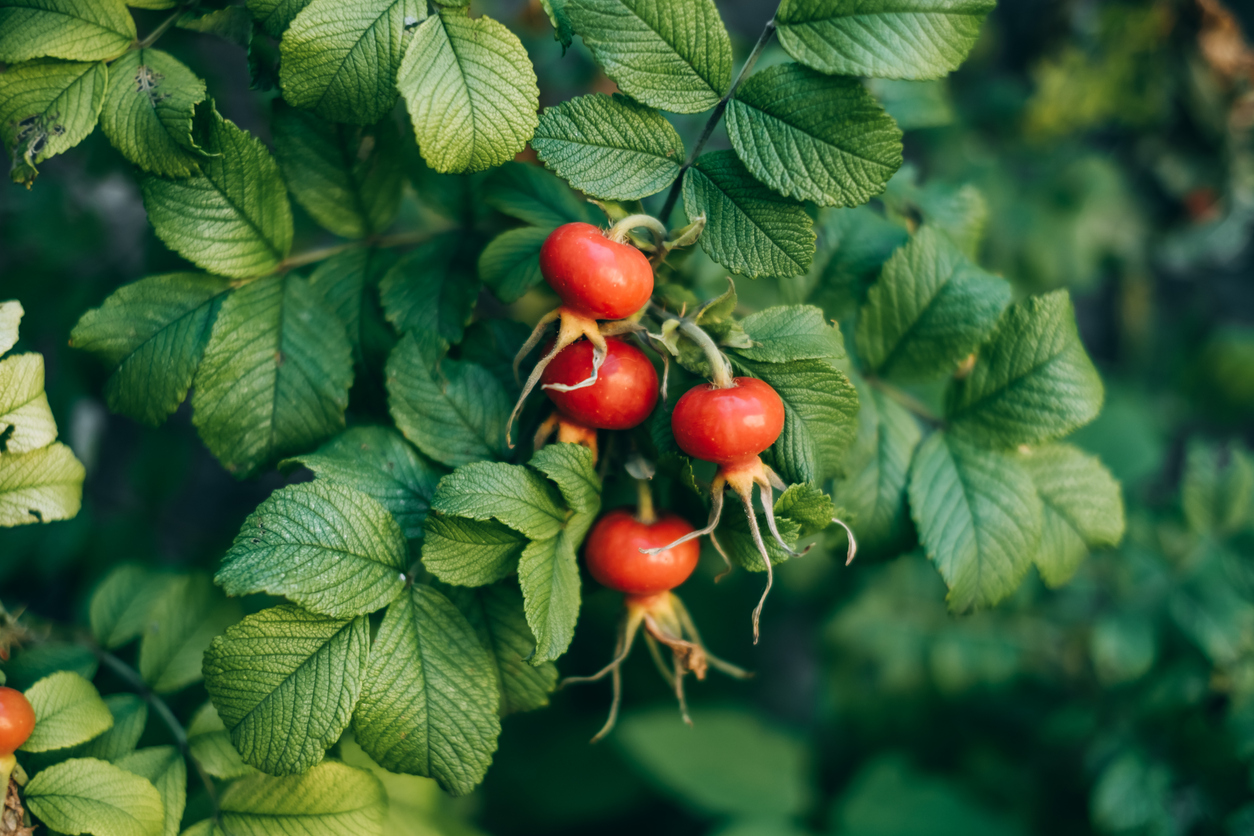
Did you know?
The fact that rosehips are a vitamin C powerhouse isn't just a legend—it was proven right here in Scotland. Mary Andross’s original research papers (1935–1945) are held in the GCU Archives and document how her lab team tested wild Scottish fruits to protect the public during the Second World War.
You can find out more about Mary Andross on the "Monumental Project" pages on the Glasgow Science Exhibition website.
Pioneering the path to a degree
The college wasn't just a place for wartime innovation. It was the birthplace of professional dietetics education in Scotland. Under Mary’s influence as the head of the science department, the institution shifted from teaching traditional “domestic science” to focusing on the chemistry of nutrition.
While the first diplomas in the subject were established in the mid-1920s, the real turning point for the profession's status came in 1973, when the college launched its very first BSc course in Dietetics. This was a landmark moment, officially recognising dietetics as a university-level clinical science. It paved the way for the high-tech, evidence-based profession we see today at Glasgow Caledonian University, the modern successor to Mary’s department.
Beyond the stereotypes: the high-tech reality of modern dietetics
Fast forward to today, and that same commitment to innovation is still driving the profession. Forget the old clichés about meal plans and calorie counting. Dietitians are clinical problem-solvers who use the science of food and nutrition to save and change lives.
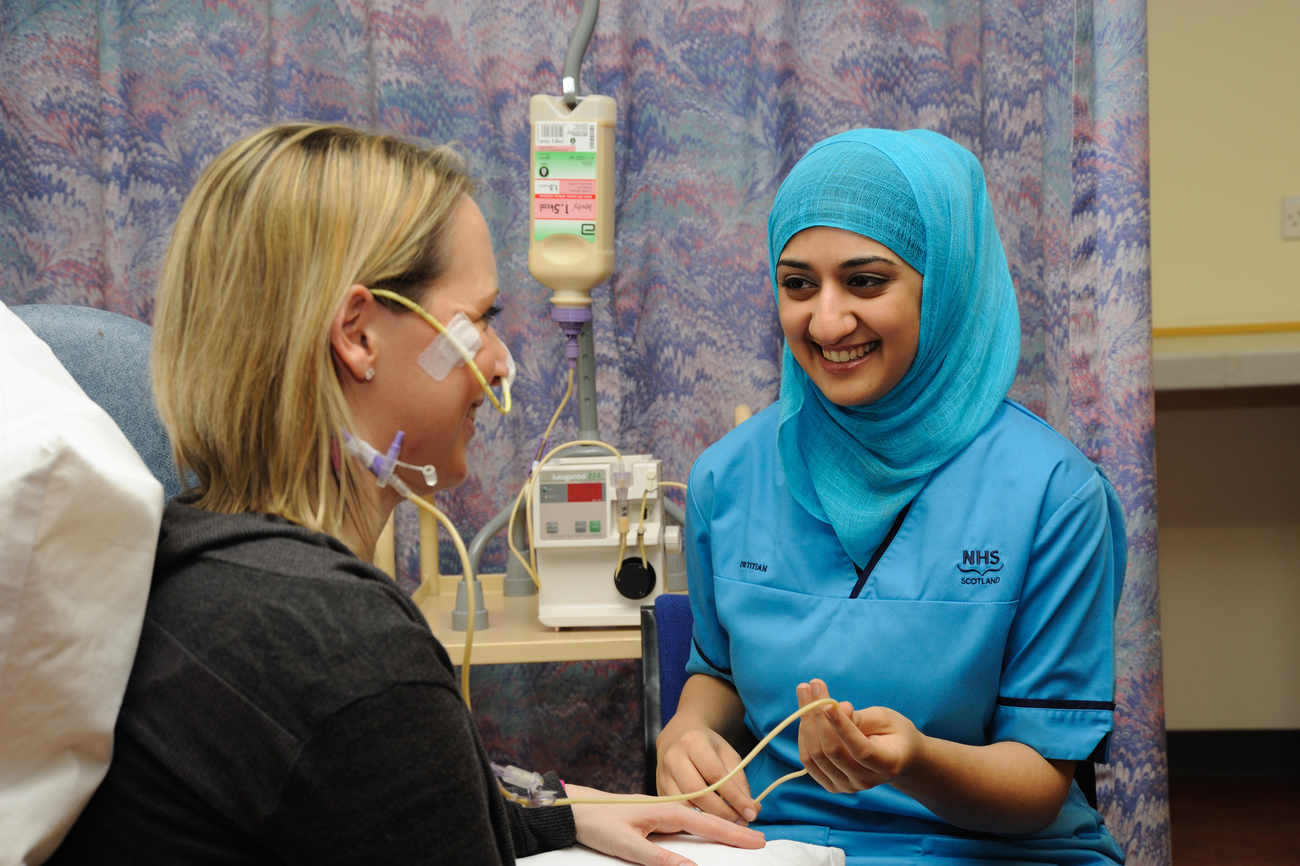
Dietitians work with doctors, nurses, and other healthcare professionals as part of a multidisciplinary team (MDT). They help people living with long-term conditions like diabetes or heart disease take control of their health through what they eat. In cancer care, they provide essential support to help patients stay strong during treatment and manage side effects.
From using biological data to create personalised health plans to managing life-saving liquid feeds in intensive care, the role is varied. Some dietitians are even helping to save the planet by designing eco-friendly menus that tackle climate change. The tools of the trade have changed, but the goal is the same: making sure everyone has the right nutrition to live well.
A career with zero dead ends
A dietetics degree is a “passport” to a career in a diverse range of sectors. In Scotland, we are lucky to have world-class degree programmes, each providing the clinical training needed to succeed. You can find them at Glasgow Caledonian University, Queen Margaret University in Edinburgh, and Robert Gordon University in Aberdeen.
When you graduate from any of these universities as a qualified dietitian, you’ll register with the Health and Care Professions Council (HCPC). From there, you are joining a workforce where you can build a career across:
- The NHS—Supporting patients on wards or in the community with clinical expertise.
- Elite sport—Helping pro athletes hit peak performance through nutrition.
- The food industry—Partnering with brands to make what we eat healthier and more sustainable.
- Public health—Designing programmes to tackle health inequality across the country.
Each university offers different routes into the profession, from four-year undergraduate degrees to fast-track postgraduate master's programmes.
Not sure which route is right for you?
You can compare all dietetics courses available in Scotland and view their entry requirements in one place. Search for dietetics courses on My World of Work.
Voices from the profession
We asked GCU students to keep it real about what the journey into the profession actually looks like.
Dietetic students discuss their “why” and the skills they are building for the future.
Why I decided to become a dietitian
Discover the science behind nutrition with Amber, a first-year dietetics student at Glasgow Caledonian University. With GCU celebrating 100 years of dietetics education in Scotland, Amber is stepping up to join the next generation. She shares her journey from developing recipes at a local farmers' market to gaining practical, hands-on experience training with NHS Scotland.
Get an inside look at the skills you need and what it takes to build a rewarding career in dietetics. If you're passionate about empowering people to improve their health, tap the video to see if training to become a dietitian is for you.
Finding my purpose as a dietetics student
Step inside a neonatal special feeds unit and discover the real-world impact of clinical nutrition. Join Naomi, a final-year dietetics student at Glasgow Caledonian University, as she shares the defining moment that cemented her career path: helping shape the lifelong health of a week-old baby.
Celebrating the 100th anniversary of the university's dietetics degree, Naomi explains how strong theoretical foundations translate into life-changing patient care.
Tap the video to explore your future in dietetics.
Busting the food police myth
Forget the food police. Meet Rae, a human nutrition and dietetics student who is here to show you how science can empower people.
Discover how what you learn at uni changes how you view food labels and everyday health. Hear how the course structure means nothing feels abstract. You'll have the confidence to make a real difference from day one. Plus, you can explore your career options without needing to decide on your career path straight away.
Whether you want to work in hospitals, industry, research, or public health, tap the video to see why studying dietetics brings science and real life together.
Your passion, backed by science
These dietetic student stories show that there is no single "right" way to be a dietitian. Whether you study in Glasgow, Edinburgh, or Aberdeen, you are joining a nationwide, supportive team. By choosing this career, you'll become an expert people rely on, using science to improve lives every day.
Ready to turn your passion for nutrition and science into a career?
Scotland has been at the heart of nutrition science for a century. Now, it’s your turn. If you're looking for a role with purpose, variety, and endless opportunities, a career in dietetics is waiting for you.
Stop scrolling and start exploring!