Previous
Salaried GP
Find out what a GP partner does and how the role offers you a rewarding career shaping healthcare in your community. This guide is for newly qualified and experienced GPs in Scotland with an ambition to lead.
A GP partner is a self-employed business owner who holds a share of the GP practice. Partners are responsible for the overall management of the practice, its staff, and its finances. They also provide clinical care to patients.
Unlike salaried GPs who are employees, partners have the autonomy to make key decisions about the practice's services, direction, and future.
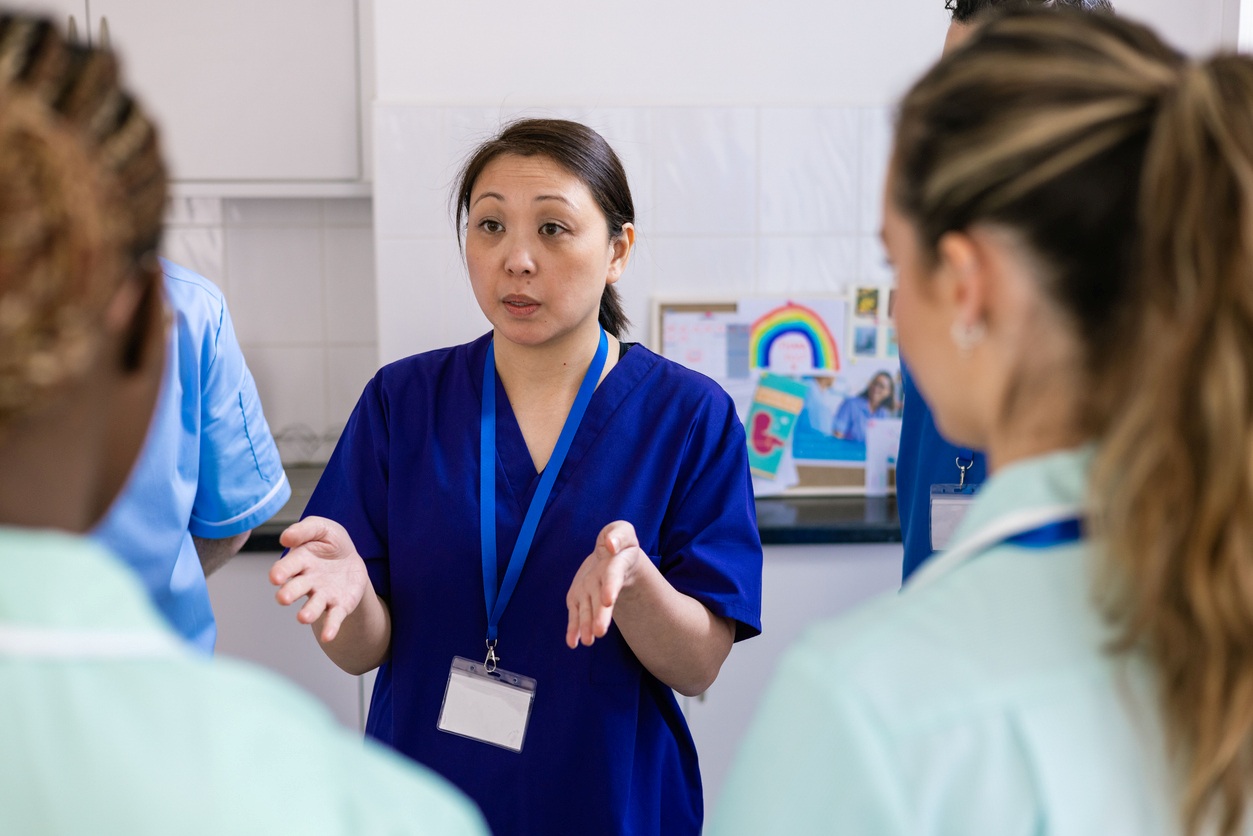
Choosing a partnership role offers you the chance to lead, innovate, and build a business asset. It gives you direct control over the care you provide to your community.
As a partner, you have a direct say in how the practice is run. You and your fellow partners decide on the strategy, the services you offer, and the culture of your workplace. This autonomy allows you to respond directly to the needs of your patients and staff.
Your income as a partner is a share of the practice’s profits. While this is variable and carries more risk than a salary, it also offers the potential for significantly higher long-term earnings. A successful and well-managed practice can be a valuable financial asset.
Partnership gives you the freedom to develop and introduce new clinical services. You could create specialist clinics, improve access for certain patient groups, or lead public health initiatives. This is your opportunity to have a positive impact on the health of your local community.
Being a partner means you are building equity in a business. You are investing your time and expertise into an asset that can grow in value. This role develops your skills in leadership, business management, and strategic planning, which can provide new career opportunities.
Your role will be a blend of clinical leadership and business management.
Your responsibilities will usually include:
These dual responsibilities make the role both challenging and highly rewarding.
Instead of an employment contract, you will have a legally binding partnership agreement. This document sets out the rights and responsibilities of all partners in the practice. It should cover areas like:
It is essential to get specialist legal and financial advice before signing a partnership agreement.
As a partner, you do not receive a salary. Instead, you receive a share of the practice's profits, known as 'drawings'. Your income can vary depending on the practice's financial performance. Your share will be determined by what is agreed in your partnership agreement.
As a GP partner, your practice may hold a contract that includes providing GPOOH services. You can also choose to work extra OOH sessions as an individual. This can offer a different clinical focus away from practice management responsibilities.
Working OOH in Scotland is straightforward. You just need to be aware of a few practical points:
Find out more about GPOOH services in Scotland.
Working as a GP partner in Scotland’s remote and rural areas offers a unique and fulfilling career path.
Key benefits include:
This career path is a great choice if you have a vision for how primary care should be delivered.
A GP partnership could be a good fit if you:
If this sounds like you, a partnership could be a satisfying career move.
To help you make an informed career decision, it's useful to see a direct comparison between the GP partner and salaried GP roles.
| Feature | GP partner | Salaried GP |
| Role | Business owner | Employee of the practice |
| Income | Share of practice profits, which can be variable | Fixed, regular salary |
| Working hours | Often long and includes business management | Fixed and contracted |
| Resposibility | Clinical, financial, and legal liability | Clinical duties only |
| Risk | High personal and financial risk | Low personal and financial risk |
| Flexibility | Can shape the direction of the practice | Less influence over practice decisions |
Choosing the right path depends on your personal and professional career goals.
The path to partnership involves more than applying for a job.
Typical steps include:
This will help you make sure you’re making a well-informed business decision.
The following resources are related to becoming a GP Partner in Scotland:
These resources provide guidance and support for your journey into GP partnership.

Search for current GP partner vacancies on the GP Jobs website.
Search jobs
Read our guide on the GPwER role to compare your career options.
Become a GPwER